Living with psoriasis means dealing with more than just visible skin patches. The constant inflammation, itching, and discomfort can significantly impact quality of life. As researchers explore the endocannabinoid system's role in skin health, many individuals are turning to cannabidiol (CBD) as a potential complementary approach to managing their symptoms. Understanding how CBD for psoriasis inflammation works requires examining both the science behind this chronic condition and the emerging research on CBD's anti-inflammatory properties.
Understanding Psoriasis and Its Inflammatory Nature
Psoriasis affects approximately 7.5 million Americans, making it one of the most common autoimmune conditions in the country. This chronic disease occurs when the immune system mistakenly triggers skin cells to reproduce at an accelerated rate, causing them to build up on the skin's surface rather than shed naturally.
The hallmark of psoriasis is inflammation. Skin cells that normally take about 28 days to mature and shed instead complete this cycle in just 3-4 days. This rapid turnover creates the characteristic raised, red patches covered with silvery scales that define the condition.
The Inflammatory Cascade in Psoriasis
Several immune system components drive psoriatic inflammation:
- T-cells become overactive and attack healthy skin cells
- Cytokines (inflammatory proteins) flood the affected areas
- Blood vessels expand and multiply, causing redness and warmth
- Keratinocytes proliferate excessively, forming thick plaques
This inflammatory process doesn't stay confined to the skin. Many people with psoriasis also develop psoriatic arthritis, experiencing joint pain and stiffness that mirrors the inflammatory patterns seen in rheumatoid arthritis.
How CBD Interacts with the Endocannabinoid System
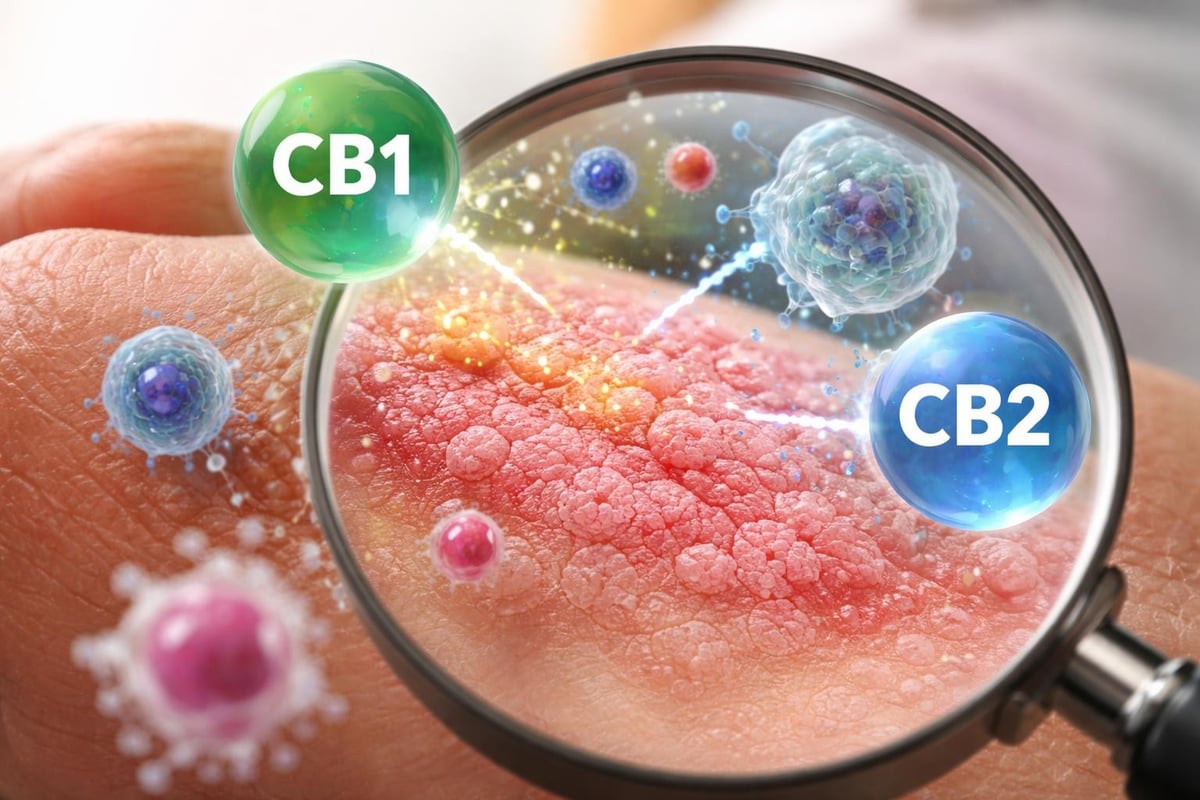
The endocannabinoid system (ECS) plays a crucial role in maintaining skin homeostasis. This complex cell-signaling network includes receptors, endocannabinoids produced by the body, and enzymes that break them down. CBD for psoriasis inflammation works primarily through its interaction with this system.
CB1 and CB2 receptors exist throughout the skin, including in keratinocytes, sebaceous glands, and immune cells. When CBD binds to these receptors, it may help regulate:
- Skin cell proliferation and differentiation
- Inflammatory responses in dermal tissue
- Immune cell activity and cytokine production
- Barrier function and moisture retention
According to research on CBD's role in skin health, the endocannabinoid system's involvement in regulating inflammation makes it a compelling target for managing psoriatic symptoms.
Mechanisms of Action
CBD doesn't bind directly to CB1 and CB2 receptors the way THC does. Instead, it works through several indirect pathways:
- Modulating receptor activity without direct binding
- Inhibiting FAAH enzyme that breaks down anandamide
- Activating TRPV1 receptors involved in pain and inflammation
- Influencing adenosine receptors that affect inflammatory responses
This multi-targeted approach may explain why CBD shows promise for conditions involving inflammation, similar to how it helps manage chronic pain in various contexts.
Research on CBD for Psoriasis Inflammation
While clinical research specifically examining CBD for psoriasis inflammation remains limited, several studies provide encouraging insights into its potential benefits.
A 2007 study published in the Journal of Dermatological Science found that cannabinoids, including CBD, inhibited keratinocyte proliferation. Since excessive keratinocyte growth drives psoriatic plaque formation, this finding suggests CBD might address one of the condition's fundamental mechanisms.
Dr. Adam Friedman and other dermatologists have discussed the emerging evidence while emphasizing the need for more robust clinical trials. The anti-inflammatory properties of CBD have been documented in numerous studies, though most haven't focused specifically on psoriatic disease.
Current Clinical Investigations
| Study Type | Focus Area | Key Finding |
|---|---|---|
| In vitro research | Keratinocyte proliferation | CBD reduced excessive cell growth |
| Preclinical models | Inflammation markers | Decreased cytokine production |
| Transdermal studies | CBD delivery methods | Improved skin penetration with patches |
| Patient surveys | Symptom relief | Reported reductions in itching and discomfort |
Ongoing clinical trials with transdermal CBD patches aim to provide more definitive evidence about efficacy and optimal dosing for psoriatic conditions.
Anti-Inflammatory Properties of CBD
The anti-inflammatory effects of CBD extend beyond the endocannabinoid system. Research has identified several pathways through which cannabidiol may reduce inflammation characteristic of psoriasis.
CBD inhibits inflammatory cytokines like TNF-alpha and IL-17, both heavily implicated in psoriatic disease. These signaling molecules orchestrate the immune response that drives skin cell proliferation and inflammation. By dampening their activity, CBD for psoriasis inflammation may help break the cycle of chronic inflammation.
Additional Therapeutic Mechanisms
- Antioxidant activity that protects cells from oxidative stress
- Immunomodulatory effects that balance overactive immune responses
- Barrier function support improving skin's protective capabilities
- Itch reduction through sensory nerve modulation
These multiple mechanisms align with approaches used for other inflammatory conditions. Just as CBD shows promise for managing arthritis symptoms, its anti-inflammatory properties may benefit psoriatic skin and joints.
Choosing Quality CBD Products for Psoriasis
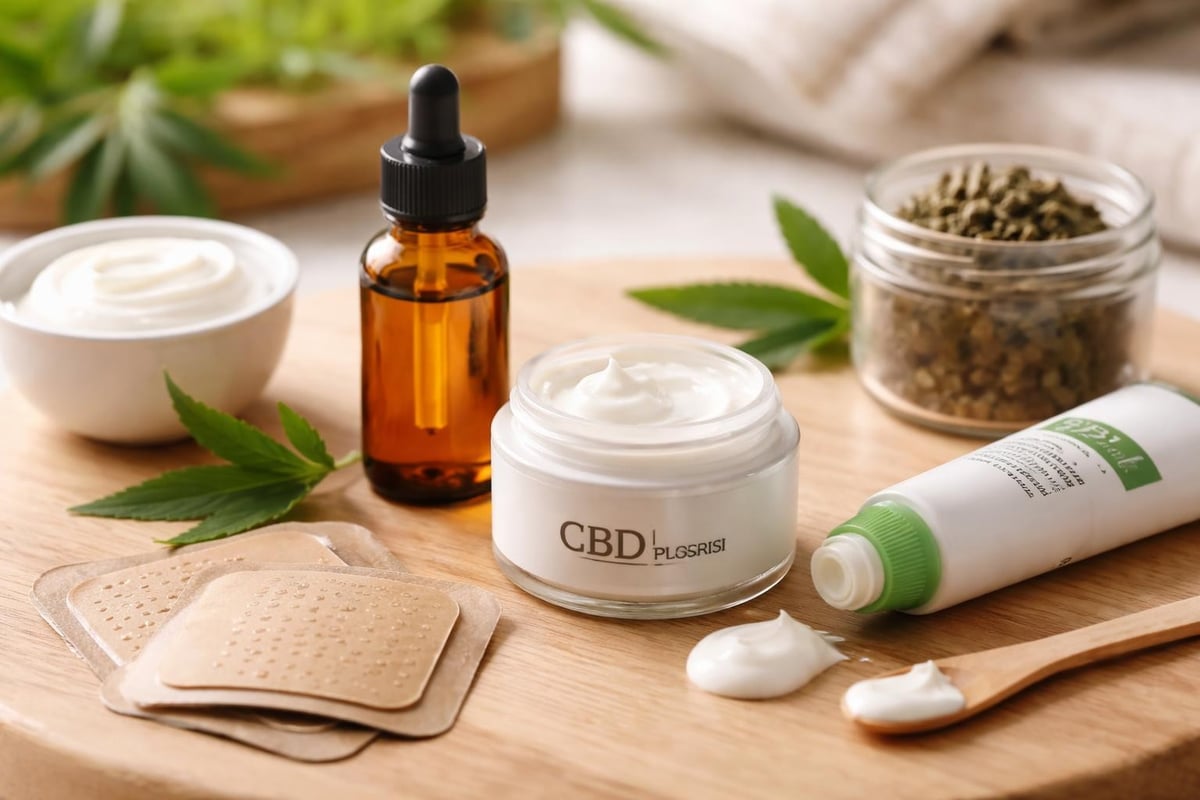
Not all CBD products offer the same quality or potential benefits. When selecting CBD for psoriasis inflammation, several factors determine efficacy and safety.
Third-party testing stands as the most critical quality indicator. Reputable manufacturers provide certificates of analysis (COA) showing exact cannabinoid content and confirming the absence of contaminants like heavy metals, pesticides, and residual solvents.
Full-Spectrum vs. Broad-Spectrum CBD
The choice between full-spectrum and broad-spectrum CBD impacts potential effectiveness:
Full-Spectrum CBD contains all cannabis plant compounds, including trace amounts of THC (under 0.3%). The "entourage effect" suggests these compounds work synergistically, potentially enhancing therapeutic benefits.
Broad-Spectrum CBD includes multiple cannabinoids and terpenes but removes all THC. This option appeals to those concerned about drug testing or who prefer to avoid any THC exposure.
Both formulations offer advantages over CBD isolate, which contains only pure cannabidiol without supporting compounds. Research suggests the additional plant compounds may enhance CBD's anti-inflammatory effects.
Application Methods for Psoriatic Skin
Different delivery methods offer distinct advantages for targeting psoriasis inflammation. Understanding these options helps optimize results.
Topical Applications
Creams, balms, and oils applied directly to affected areas allow CBD to work locally without entering the bloodstream. This targeted approach concentrates the compound where inflammation occurs.
Benefits of topical CBD include:
- Direct delivery to psoriatic plaques
- Minimal systemic absorption
- Additional moisturizing from carrier oils
- Localized relief without affecting other body systems
When using topical CBD, look for products that combine cannabidiol with skin-nourishing ingredients like shea butter, coconut oil, or essential fatty acids that support barrier function.
Oral Tinctures and Capsules
Sublingual tinctures and oral capsules provide systemic CBD delivery. This approach may benefit those with widespread psoriasis or psoriatic arthritis affecting multiple body areas.
| Method | Onset Time | Duration | Best For |
|---|---|---|---|
| Topical | 15-30 minutes | 2-4 hours | Localized plaques |
| Sublingual | 15-45 minutes | 4-6 hours | Widespread symptoms |
| Capsules | 45-90 minutes | 6-8 hours | Sustained relief |
| Patches | 30-60 minutes | 8-12 hours | Consistent delivery |
Combining methods may offer comprehensive benefits. Someone might use a topical product for specific plaques while taking an oral tincture for systemic inflammation and joint discomfort.
Integrating CBD into Psoriasis Management
CBD for psoriasis inflammation works best as part of a comprehensive management strategy, not as a standalone solution. Dermatologists caution that while CBD shows promise, it shouldn't replace proven treatments without medical guidance.
Effective psoriasis management typically includes multiple approaches:
- Topical treatments like corticosteroids or vitamin D analogs
- Phototherapy using controlled UV light exposure
- Systemic medications for moderate to severe cases
- Lifestyle modifications addressing triggers and stress
- Complementary approaches including CBD and other natural compounds
Working with healthcare providers ensures CBD use complements rather than conflicts with existing treatments. Some medications may interact with CBD, making professional guidance essential.

Dosing Considerations and Safety
Determining the right CBD dosage for psoriasis inflammation involves individual experimentation within safe parameters. No universal dosing protocol exists because factors like body weight, symptom severity, and product potency all influence optimal amounts.
Starting Low and Adjusting
Most experts recommend beginning with low doses and gradually increasing until desired effects occur. For topical applications, this might mean:
- Starting with a small amount on one patch to test tolerance
- Applying 2-3 times daily if no adverse reactions occur
- Increasing frequency or amount based on response
- Maintaining consistency for at least 2-4 weeks to assess effectiveness
For oral CBD, typical starting doses range from 10-20mg daily, with adjustments made weekly based on results.
Safety Profile and Side Effects
CBD generally demonstrates excellent safety, with most side effects being mild and rare. Potential side effects include:
- Dry mouth or changes in appetite
- Fatigue or drowsiness
- Digestive upset in some individuals
- Possible medication interactions
The comprehensive review of CBD's therapeutic applications confirms its favorable safety profile across various conditions, including inflammatory diseases.
Patient Experiences and Anecdotal Evidence
While scientific research continues developing, many individuals report positive experiences using CBD for psoriasis inflammation. These anecdotal accounts, though not replacing clinical evidence, provide valuable insights into real-world applications.
Common reported benefits include:
- Reduced itching that improves sleep quality and daily comfort
- Decreased redness around psoriatic plaques
- Improved skin texture with regular application
- Better moisture retention in affected areas
- Joint relief for those with psoriatic arthritis
Similar to experiences shared by those using CBD for fibromyalgia pain, psoriasis patients often note gradual improvements rather than immediate dramatic changes.
The Importance of Product Transparency
Transparency separates quality CBD manufacturers from questionable ones. Companies committed to customer safety and efficacy provide detailed information about their products and processes.
Key transparency indicators include:
- Third-party lab results readily accessible for every batch
- Clear labeling showing exact CBD content per dose
- Extraction methods detailed on product information
- Source information about hemp cultivation practices
- Customer service responsive to questions and concerns
Premium manufacturers go beyond minimum requirements, offering comprehensive certificates of analysis and educating customers about proper use. This commitment to transparency helps consumers make informed decisions about CBD for psoriasis inflammation.
Future Research Directions
The scientific community recognizes the need for rigorous clinical trials examining CBD's effects on psoriatic disease. Current research gaps include:
- Large-scale randomized controlled trials in human subjects
- Optimal dosing protocols for different psoriasis severities
- Long-term safety data with extended CBD use
- Comparative effectiveness against standard treatments
- Mechanisms specific to psoriatic inflammation pathways
Research into CBD's potential for managing psoriasis and psoriatic arthritis continues expanding as interest grows among both researchers and patients seeking natural alternatives.
As our understanding of the endocannabinoid system's role in skin health deepens, CBD's therapeutic applications for inflammatory skin conditions will likely become clearer. The next decade may bring definitive answers about optimal formulations, dosing strategies, and patient populations most likely to benefit from CBD for psoriasis inflammation.
Complementary Lifestyle Approaches
CBD works synergistically with lifestyle modifications that support skin health and reduce inflammation. Integrating these approaches creates a comprehensive strategy for managing psoriatic symptoms.
Stress Management
Stress triggers or worsens psoriasis flares in many individuals. The same inflammatory pathways activated during stress responses can exacerbate psoriatic inflammation. Incorporating stress-reduction techniques like meditation, yoga, or deep breathing exercises complements CBD's calming effects on the nervous system.
Anti-Inflammatory Diet
Nutrition significantly impacts inflammatory conditions. Foods that may help reduce psoriatic inflammation include:
- Fatty fish rich in omega-3 fatty acids
- Colorful vegetables packed with antioxidants
- Turmeric and ginger with natural anti-inflammatory compounds
- Probiotic-rich foods supporting gut health
- Nuts and seeds providing essential fatty acids
Avoiding inflammatory triggers like excessive alcohol, processed foods, and refined sugars may enhance CBD's benefits.
Skin Care Practices
Gentle skin care protects the compromised barrier function common in psoriasis. Recommendations include:
- Using fragrance-free, gentle cleansers
- Moisturizing immediately after bathing to seal in hydration
- Avoiding hot water that strips natural oils
- Protecting skin from excessive sun exposure
- Wearing soft, breathable fabrics that minimize irritation
These practices create an optimal environment for CBD topicals to work effectively, enhancing absorption and supporting overall skin health.
Managing psoriasis inflammation requires a multifaceted approach that addresses both symptoms and underlying immune dysfunction. While research on CBD for psoriasis inflammation continues to evolve, its anti-inflammatory properties and favorable safety profile make it a compelling option for many individuals seeking natural complementary therapies. If you're exploring premium CBD options backed by rigorous third-party testing and quality assurance, Reclaim Labs offers full-spectrum and broad-spectrum formulations specifically designed to address chronic inflammation and support overall wellness through transparent, reliable hemp solutions.