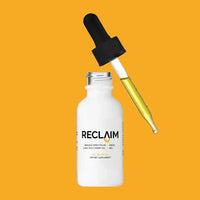
Across the globe, more people than ever are searching for natural options to manage chronic pain in 2026. As the conversation grows, CBD has become a central focus, capturing both public interest and scientific attention as a promising alternative. But does CBD help with pain, how does it actually work, and what does the latest research reveal? This guide aims to answer these questions, offering a comprehensive look at CBD help with pain, from its science and safety to product selection and practical usage. Discover what CBD is, how it may ease pain, and what to know before trying it.
Understanding CBD: What It Is and How It Works
CBD, or cannabidiol, is a naturally occurring compound extracted from the hemp plant. It has gained significant attention as people look for new ways to address discomfort. When discussing cbd help with pain, it is important to understand what CBD is and how it is different from other plant-derived compounds.
CBD is just one of over a hundred cannabinoids found in cannabis plants. Unlike THC, which is known for its intoxicating effects, CBD is non-psychoactive. This means that using CBD will not produce a high. Other cannabinoids, like CBG and CBN, have their own effects, but CBD stands out for its potential role in pain management.
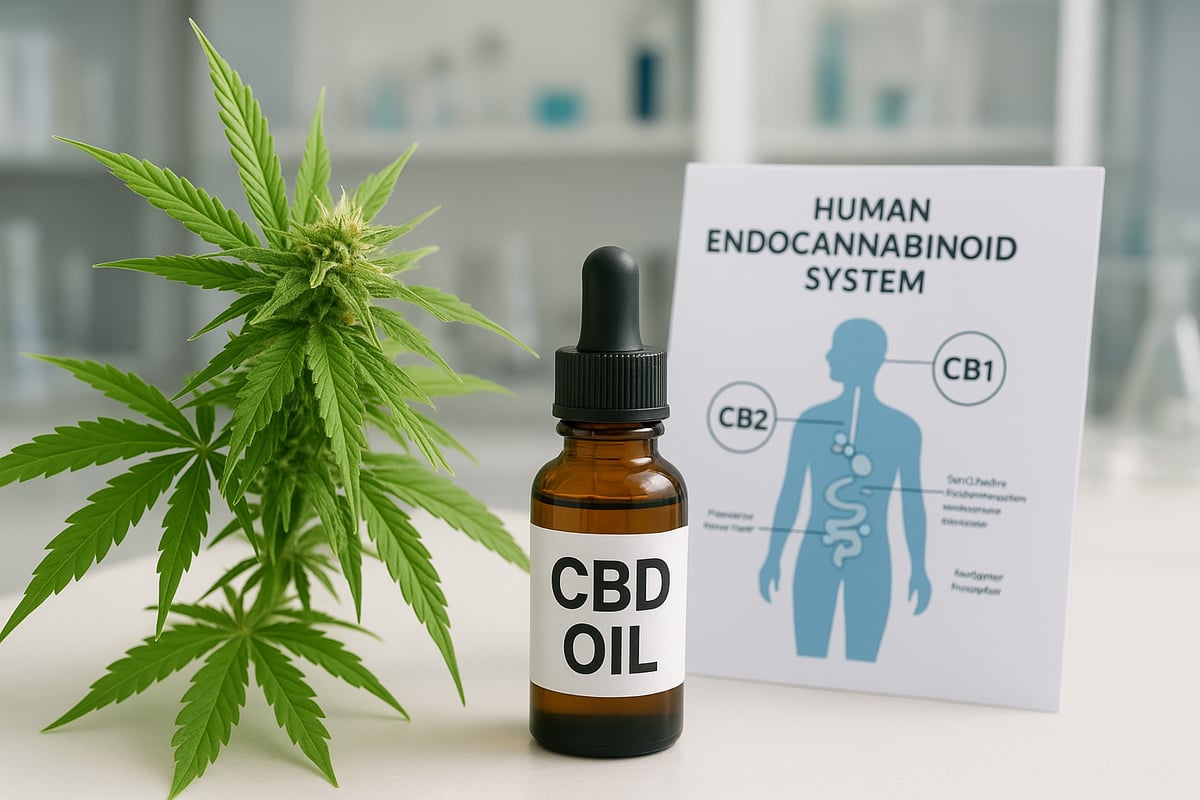
The human body contains a complex network called the endocannabinoid system, or ECS. The ECS helps regulate pain, mood, sleep, and immune responses. When exploring cbd help with pain, the ECS is a key player. The ECS includes two main types of receptors, CB1 and CB2, which are found throughout the body and brain.
CBD does not bind directly to these receptors in the same way THC does. Instead, it is thought to influence them indirectly, possibly increasing the body’s own endocannabinoids or altering pain signal processing. For a deeper dive into this process, you can read How CBD Works for Pain.
CBD is non-intoxicating and, as of 2026, is legal in many countries and states, provided it contains less than 0.3% THC. Regulations continue to evolve, so always check local laws before purchasing or using CBD for pain.
There are several types of CBD products:
- Full-spectrum: Contains all cannabinoids, terpenes, and trace THC.
- Broad-spectrum: Includes multiple cannabinoids, but no detectable THC.
- Isolate: Pure CBD with no other cannabinoids.
The form of CBD you choose can affect how well cbd help with pain works for you. Delivery methods include:
- Oils and tinctures (taken orally or under the tongue)
- Topicals (creams and balms applied to the skin)
- Capsules and edibles (swallowed and digested)
- Transdermal patches (worn on the skin for steady release)
| Delivery Method | Onset Time | Duration | Use Case |
|---|---|---|---|
| Oil/Tincture | 15–45 min | 4–6 hours | Systemic, flexible dosing |
| Topical | 10–30 min | 2–4 hours | Localized joint/muscle pain |
| Capsule/Edible | 30–90 min | 6–8 hours | Discreet, long-lasting |
| Patch | 30–60 min | 8–24 hours | Consistent, chronic pain |
Bioavailability, or how much CBD actually reaches your bloodstream, varies by method. For example, oils taken under the tongue act faster than edibles, while patches provide steady levels over time.
In a 2025 clinical study, researchers observed that patients with chronic pain who used CBD showed measurable changes in ECS activity, supporting the theory that cbd help with pain by modulating this internal system. As research continues, our understanding of CBD’s role in pain relief will only grow.
The Science: Can CBD Help with Pain?
Understanding whether CBD help with pain is central to the ongoing discussion about natural pain relief. As research advances, people want to know if CBD can truly make a difference in their daily discomfort. To answer this, we will explore the types of pain CBD may address, summarize key findings from recent studies, and highlight real-world experiences.
Types of Pain CBD May Address
CBD help with pain is being studied across a wide range of conditions. Researchers have focused on both chronic and acute pain, as well as inflammatory and neuropathic pain types. Chronic pain, such as arthritis, fibromyalgia, and neuropathy, often persists for months or years. Acute pain, on the other hand, arises from injuries or surgical procedures and is typically short-term.
CBD interacts with pain pathways differently depending on the cause. For inflammatory pain, it may help by reducing the production of inflammatory molecules in the body. In neuropathic pain, which results from nerve damage, CBD may modulate pain signals through the endocannabinoid system.
A 2025 meta-analysis reported that 60% of chronic pain patients experienced improvement with CBD help with pain. For example, a case report highlighted a patient with rheumatoid arthritis who found meaningful relief after consistent CBD use.
| Pain Type | Example Conditions | Evidence of CBD Benefit |
|---|---|---|
| Chronic | Arthritis, fibromyalgia | 60% report improvement |
| Acute | Injury, post-surgery | Growing research |
| Inflammatory | Autoimmune diseases | Promising results |
| Neuropathic | Nerve damage, neuropathy | Ongoing studies |
What the Research Says: 2026 Update
The question of whether CBD help with pain is supported by science has been the focus of numerous peer-reviewed studies from 2023 to 2026. Randomized controlled trials have explored CBD's impact on various pain conditions, including arthritis, chronic low back pain, and fibromyalgia. These studies generally show that CBD can reduce pain intensity, especially when used consistently over several weeks.
A systematic review published in 2025 highlighted moderate evidence for CBD's effectiveness in chronic pain management, though results vary by dosage and individual response. Most studies found that doses between 20 and 100 mg per day offered the most consistent benefits. Duration of effect ranged from a few hours with oral products to several days with transdermal patches.
Despite these positive findings, researchers caution that many trials have limitations such as small sample sizes and significant placebo effects. Long-term outcomes are still under study, with some experts calling for more rigorous research. According to a leading pain specialist in the Journal of Pain Management, "CBD represents a promising adjunct for pain, but further large-scale studies are needed to confirm optimal dosing and safety."
Regulatory agencies are also weighing in. As of 2026, the FDA has not formally approved CBD for pain treatment, but acknowledges its potential and continues to monitor emerging data. The World Health Organization maintains that CBD is generally well-tolerated and poses a low risk of abuse.
For a comprehensive look at the current evidence, you can review the CBD's Effectiveness in Chronic Pain Management systematic review, which evaluates both the benefits and limitations of CBD help with pain.
Real-World Evidence and Patient Experiences
Beyond clinical trials, real-world data sheds light on how people use CBD help with pain in their daily lives. Surveys in 2025 showed that over 40% of chronic pain sufferers had tried CBD, with many reporting reduced reliance on prescription painkillers and improved quality of life.
Patient testimonials often reflect a range of outcomes. Some individuals with fibromyalgia or arthritis describe significant pain relief and better sleep, while others find only modest improvements. In a recent poll conducted by a fibromyalgia support group, CBD was rated as equally effective as some prescription medications, though responses varied widely.
It is important to recognize that individual response depends on factors such as the type and severity of pain, product formulation, and personal expectations. The placebo effect can also play a role, as positive beliefs about CBD help with pain may enhance perceived benefits.
Overall, both scientific research and lived experiences suggest that CBD help with pain is a compelling area for ongoing study and practical use.
Choosing the Right CBD Product for Pain Relief
Selecting the most effective CBD product is crucial for anyone seeking cbd help with pain. The right choice can make a significant difference in relief, onset time, and overall experience. With so many options available in 2026, understanding product types, quality indicators, and trusted brands helps you make an informed decision.
Key Product Types and Their Benefits
CBD products for pain relief come in several forms, each offering unique advantages. Oils and tinctures are popular for their fast absorption and flexible dosing, making them ideal for individuals who want quick systemic relief. Topical creams and roll-ons target specific areas, such as joints or muscles, delivering cbd help with pain exactly where it is needed.
Edibles and capsules provide a discreet and convenient way to consume CBD. These options offer longer-lasting effects, which may benefit those managing chronic discomfort throughout the day. Transdermal patches have become increasingly popular, offering controlled, consistent dosing for sustained relief. For more information about how these patches work, see this guide on CBD Patches for Pain Relief.
Nano CBD and water-soluble formulations are newer innovations that enhance absorption, ensuring more active compounds reach your bloodstream. This can be especially useful for those who struggle with traditional oral products.
Here is a quick comparison of onset and duration by product type:
| Product Type | Onset Time | Duration | Best For |
|---|---|---|---|
| Oils & Tinctures | 15-45 min | 2-6 hours | Flexible, fast relief |
| Topicals | 15-30 min | 2-4 hours | Localized pain |
| Edibles & Capsules | 30-90 min | 4-8 hours | Discreet, long-lasting |
| Transdermal Patches | 1-2 hours | 12-24 hours | Consistent, chronic pain |
| Nano CBD | 10-20 min | 2-6 hours | Fast, improved absorption |
Choosing the right type can greatly impact how well cbd help with pain fits your lifestyle and needs.
What to Look for in Quality CBD Products
Quality is essential when considering cbd help with pain. Not all products are created equal, so knowing what to look for helps you avoid ineffective or unsafe options.
First, always choose CBD products that provide third-party lab testing and a Certificate of Analysis (COA). This guarantees the product contains the advertised amount of CBD and is free from harmful contaminants like pesticides or heavy metals.
Consider the spectrum of the product:
- Full-spectrum CBD contains all cannabinoids, including trace amounts of THC, which may enhance pain relief through the "entourage effect."
- Broad-spectrum CBD has multiple cannabinoids but no THC, making it suitable for those who want to avoid even minimal psychoactive compounds.
- Isolate is pure CBD, best for those with sensitivities or who want to avoid all other plant compounds.
Opt for organic, non-GMO, and allergen-free formulations whenever possible. Safe extraction methods, such as CO2 or food-grade ethanol, ensure purity and potency.
Be alert for red flags:
- No lab results or COA
- Vague labeling or exaggerated claims
- Unclear sourcing or ingredient lists
- Products found to be mislabeled for potency
A 2025 industry report revealed that 30% of online CBD products were mislabeled regarding actual CBD content. This highlights the importance of transparency and quality control when seeking cbd help with pain.
Reclaim Labs: Premium CBD Hemp Oil for Pain Relief
Reclaim Labs has established itself as a trusted leader in cbd help with pain, specializing in products tailored to chronic conditions like arthritis and fibromyalgia. Their range includes broad-spectrum oils, nano CBD roll-ons, and pain relief patches, providing both targeted and systemic options.
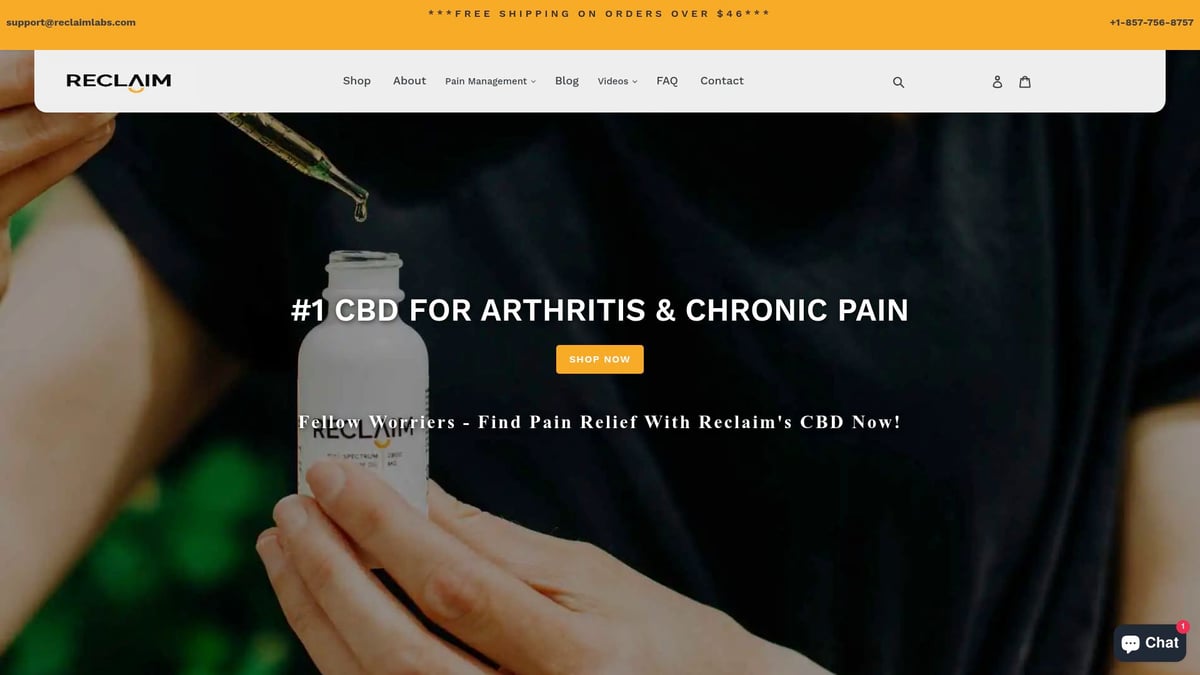
Quality assurance is a top priority at Reclaim Labs. Every product undergoes rigorous third-party lab testing, with transparent sourcing and clear labeling. Customers benefit from satisfaction guarantees, ensuring confidence in every purchase.
What sets Reclaim Labs apart is their founder’s personal journey overcoming chronic pain, which inspires their science-backed approach and ongoing educational support. Formulations are designed in collaboration with medical professionals to maximize efficacy.
Customer testimonials consistently report reduced reliance on prescription painkillers, better mobility, and enhanced quality of life. For example, a recent case study featured a customer with rheumatoid arthritis who experienced significant pain reduction and improved daily functioning after switching to Reclaim Labs’ products.
Choosing a reputable brand like Reclaim Labs can make a noticeable difference for those seeking cbd help with pain, offering both peace of mind and real-world relief.
How to Use CBD for Pain: A Step-by-Step Guide
Finding the best way to use cbd help with pain is essential for safe and effective relief. The process is straightforward but requires attention to detail, medical guidance, and ongoing self-monitoring. Follow these six steps to optimize your experience and outcomes.
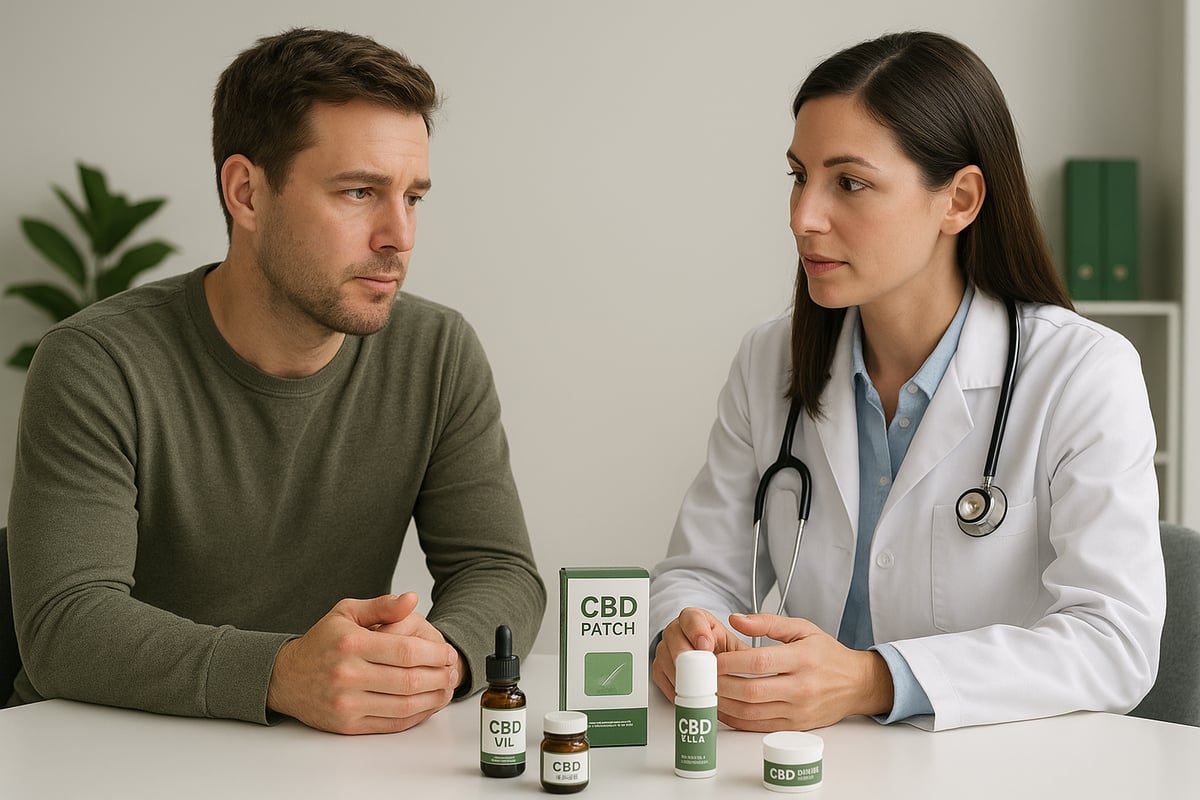
Step 1: Consult with a Healthcare Professional
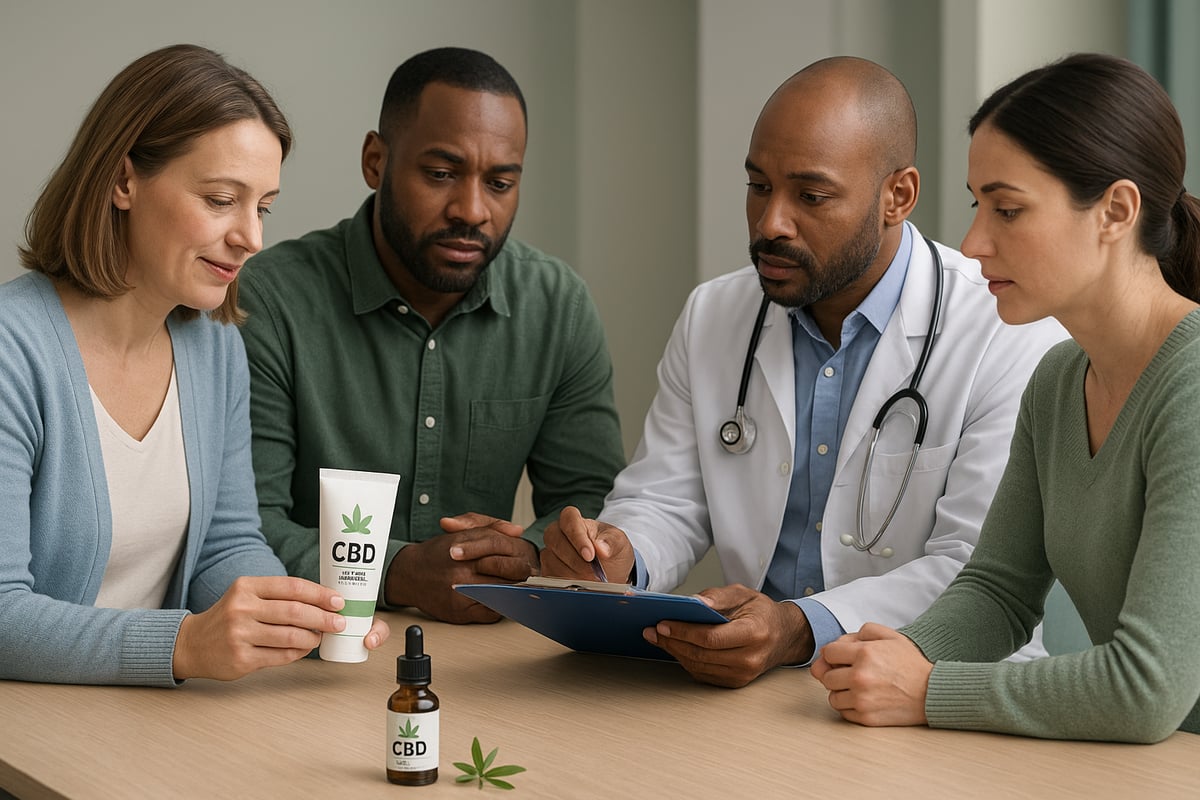
Before starting cbd help with pain, always consult a qualified healthcare provider. This is crucial if you have chronic illnesses or take prescription medications. Medical professionals can identify potential drug interactions, contraindications, and help you determine if CBD is appropriate for your needs.
Recent clinical guidelines for 2026 emphasize that physician oversight is recommended for chronic pain patients considering CBD. For a deeper dive into research and patient experiences, you can review this in-depth look at scientific research and real-world evidence for CBD in chronic pain relief.
Open communication with your doctor ensures safety and increases the likelihood of success.
Step 2: Select the Appropriate Product and Delivery Method
Choosing the right cbd help with pain product depends on the type and location of your discomfort. Oils and tinctures offer fast absorption and flexible dosing, ideal for systemic issues. Topicals are best for localized pain, such as sore joints or muscles. Edibles and capsules provide discreet, long-lasting effects, while patches deliver steady relief.
Consider your lifestyle, preferences, and desired onset time. For example, athletes often choose roll-ons for muscle recovery after training. Compare product types to find your best fit.
| Product Type | Onset Time | Duration | Best For |
|---|---|---|---|
| Oil/Tincture | 15-45 min | 4-6 hours | Systemic pain |
| Topical | 10-30 min | 2-4 hours | Localized pain |
| Capsule/Edible | 30-90 min | 6-8 hours | Ongoing discomfort |
| Patch | 30 min | 8-24 hours | Consistent relief |
Step 3: Start Low and Go Slow with Dosage
When using cbd help with pain, begin with the lowest recommended dose. Gradually increase only if needed, monitoring your response closely. This cautious approach reduces the risk of side effects and helps you find your optimal dose.
Keep a simple log or journal to track dosage, timing, and any changes in symptoms or side effects. This data will help you and your healthcare provider adjust your regimen effectively.
A 2025 pain management protocol supports gradual titration for CBD, reinforcing the importance of patience and observation.
Step 4: Monitor Effects and Adjust as Needed
Regularly assess how cbd help with pain impacts your symptoms. Signs of positive response include reduced pain intensity, improved sleep, or decreased inflammation. If results are insufficient or inconsistent, consider adjusting the dose, switching product types, or timing your usage differently.
For example, some patients move from oils to patches for longer-lasting relief. Remember to involve your healthcare provider in any significant changes to your regimen.
Step 5: Integrate with Other Pain Management Strategies
CBD works best as part of a comprehensive approach. Combine cbd help with pain with physical therapy, exercise, mindfulness, or other holistic methods for optimal results.
Discuss your full pain management plan with your healthcare provider to ensure safety and synergy. Many patients report that integrating CBD with other treatments leads to greater improvements than using any single approach alone.
Step 6: Stay Informed on Latest Research and Regulations
CBD science and laws continue to evolve. Stay updated on new research, clinical guidelines, and regulatory changes that may affect how you use cbd help with pain.
Rely on reputable sources, such as medical journals and patient advocacy organizations, for accurate information. In 2026, the FDA and global authorities continue to refine their guidance, making it important to remain proactive and informed.
Safety, Side Effects, and Legal Considerations in 2026
Understanding the safety profile of CBD help with pain is crucial for anyone considering its use in 2026. While CBD is generally well-tolerated, being informed about potential side effects, legal requirements, and quality standards ensures a safer experience.
Common and Rare Side Effects
CBD help with pain can cause mild side effects in some users. The most frequently reported include drowsiness, dry mouth, and changes in appetite. These effects are usually temporary and resolve when the dose is adjusted or the product is stopped.
Rare but more serious risks have been documented. Some individuals may experience liver enzyme changes or interactions with other medications. Monitoring is especially important for those with liver conditions or who take prescription drugs.
| Side Effect Type | Examples |
|---|---|
| Common | Drowsiness, dry mouth, appetite changes |
| Rare | Liver enzyme changes, drug interactions |
If you experience persistent or severe symptoms, consult your healthcare provider right away.
Who Should Avoid CBD
CBD help with pain is not recommended for everyone. Pregnant or breastfeeding women should avoid CBD due to insufficient safety data. Individuals with certain medical conditions—such as severe liver disease or a history of allergic reactions to cannabinoids—should also exercise caution.
Always discuss CBD use with your physician, especially if you are taking medications that could interact with cannabinoids. Your doctor can help identify possible risks and monitor for side effects during use.
Legal Considerations in 2026
The legal landscape for CBD help with pain continues to evolve. In 2026, CBD derived from hemp is legal in many regions at the federal level, but state laws may vary. Some states require prescriptions for higher potency products or restrict sales to licensed dispensaries.
International travel with CBD remains complicated. Laws differ widely between countries, and carrying CBD across borders can result in confiscation or legal penalties. Always research the destination's regulations before traveling with any CBD product.
For a deeper dive into the medical community’s stance, see the ACP's Stance on Medical Cannabis for Chronic Pain.
Quality Control and Safe Use
Quality is a major concern when choosing CBD help with pain. Unregulated or mislabeled products can contain contaminants or incorrect dosages. In 2025, the FDA issued warning letters to companies for selling mislabeled or contaminated CBD products. Always look for third-party Certificates of Analysis (COA) that confirm purity and potency.
To stay safe:
- Buy from reputable brands with transparent sourcing
- Check for COA and batch numbers
- Avoid products with exaggerated claims
- Review ingredient lists for allergens or additives
Choosing quality products and staying informed about regulations are the best ways to ensure a positive experience with CBD help with pain.
Frequently Asked Questions About CBD and Pain Relief
Navigating the world of cbd help with pain can raise many questions. Below, we address some of the most common concerns and misconceptions, using the latest research and patient experiences.
How long does it take for CBD to work for pain?
The onset of relief from cbd help with pain depends on the delivery method. Oils and tinctures may take 15-45 minutes, while edibles can take up to two hours. Topicals often work within minutes on localized discomfort. Each body responds differently, so tracking your experience helps identify your personal timeline.
Can CBD replace prescription pain medications?
CBD is not a guaranteed substitute for prescription painkillers. While some users report reduced reliance on traditional drugs, clinical guidelines recommend using cbd help with pain as a complementary approach, not a replacement, unless under medical supervision. Consult your healthcare provider before making any changes to your medication regimen.
Is there a risk of addiction or tolerance with CBD?
CBD is not considered addictive and does not create a "high." Studies indicate a low risk of dependency, unlike opioids or some prescription painkillers. However, it is important to use only the recommended doses and monitor your response over time.
What’s the difference between hemp-derived and marijuana-derived CBD?
Both types offer cbd help with pain, but hemp-derived CBD contains less than 0.3% THC, making it non-psychoactive and legal in most regions. Marijuana-derived CBD may have higher THC levels, which can cause intoxication and legal issues depending on your location. Always check product labels and local laws.
Can I use CBD alongside other supplements or therapies?
Many people combine cbd help with pain with physical therapy, exercise, or other supplements. It is safe for most, but interactions can occur, especially with blood thinners or certain medications. Always discuss your regimen with a healthcare professional to avoid unwanted effects.
How do I know if CBD is working for my pain?
Effectiveness is subjective. Look for signs such as reduced pain intensity, better sleep, or improved daily function. Many patients track their progress in a journal. For more on real-world outcomes and testimonials, see Suffering from Chronic Joint Pain? CBD Can Help.
Are there age restrictions for using CBD?
Legal age requirements for cbd help with pain vary by region. In many areas, users must be 18 or older. Always review local regulations and speak to a healthcare provider before giving CBD to minors.
What are the top misconceptions about CBD for pain?
2026 consumer surveys reveal these common myths:
| Myth | Fact |
|---|---|
| CBD works instantly for everyone | Effects vary, and some need multiple doses to notice improvement |
| CBD is addictive | Research shows no significant risk of addiction |
| All CBD is the same | Quality, source, and spectrum matter for effectiveness and safety |
For more scientific context on how cannabinoids offer new hope in pain management, read Cannabinoids' Potential in Pain Relief.
If you have further questions about cbd help with pain, consult a medical professional or trusted resource before starting a regimen.
After exploring how CBD interacts with your body, the latest research, and tips for finding the right product, you may be ready to take the next step toward natural pain relief. At Reclaim Labs, you’ll find premium, lab-tested CBD options designed specifically for managing chronic pain and inflammation, with a focus on transparency and real results. If you’re looking for a safer, evidence-based alternative for conditions like arthritis or fibromyalgia, now is the perfect time to start your journey to better comfort and mobility.
Get Relief Now!