Chronic pain affects millions of Americans, disrupting daily activities and diminishing quality of life. As individuals seek alternatives to conventional pain medications, hemp oil pain relief has emerged as a compelling option backed by growing scientific evidence. This natural approach leverages the therapeutic compounds found in hemp plants to address inflammation, neuropathic discomfort, and various chronic pain conditions without the side effects commonly associated with pharmaceutical interventions.
Understanding Hemp Oil and Its Pain-Relieving Properties
Hemp oil products contain a complex array of beneficial compounds, including cannabidiol (CBD), terpenes, flavonoids, and essential fatty acids. These components work synergistically to produce what researchers call the "entourage effect," where the combined action of multiple compounds creates more significant therapeutic benefits than any single ingredient alone.
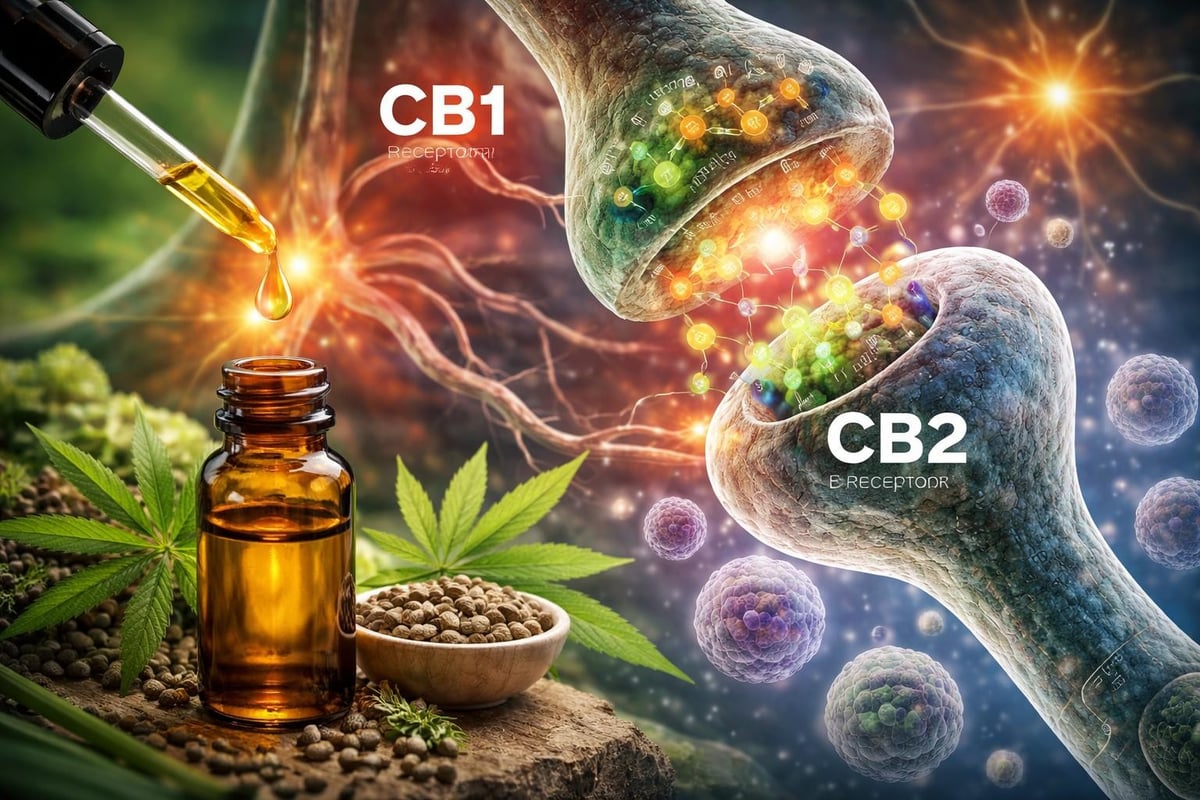
The primary mechanism behind hemp oil pain relief involves interaction with the endocannabinoid system, a regulatory network that influences pain perception, inflammation response, and immune function. When hemp-derived compounds bind to cannabinoid receptors throughout the body, they help modulate pain signals and reduce inflammatory responses at the cellular level.
Full-spectrum hemp oils contain trace amounts of THC (below 0.3%) along with CBD and other cannabinoids, while broad-spectrum options provide similar benefits without any THC content. Understanding the differences between hemp oil and CBD oil helps consumers select products aligned with their specific needs and preferences.
Chemical Composition and Therapeutic Mechanisms
Recent research has revealed how various hemp oil components contribute to pain management:
- Cannabidiol (CBD): Reduces inflammation by inhibiting pro-inflammatory cytokines
- Beta-caryophyllene: Acts as a selective CB2 receptor agonist with anti-inflammatory properties
- Omega-3 and Omega-6 fatty acids: Support cellular health and reduce systemic inflammation
- Minor cannabinoids: Include CBG, CBN, and CBC, each offering unique therapeutic benefits
A randomized double-blind controlled trial on topical hemp seed oil demonstrated significant improvements in pain scores and physical function for patients with knee osteoarthritis, validating the therapeutic potential of hemp-based interventions.
Scientific Evidence Supporting Hemp Oil Pain Relief
The research landscape for hemp oil pain relief has expanded considerably over the past decade. Multiple studies have examined its efficacy across different pain types, from acute injury-related discomfort to chronic neuropathic conditions.
Harvard Health explores CBD oil's potential for managing chronic pain, noting that while more research is needed, current evidence suggests meaningful benefits for specific conditions. The anti-inflammatory properties of hemp oil make it particularly valuable for addressing pain rooted in inflammatory processes.
Clinical Research Findings
| Study Type | Condition | Key Findings | Year |
|---|---|---|---|
| Randomized Controlled Trial | Knee Osteoarthritis | Significant pain reduction with topical hemp seed oil | 2024 |
| Animal Study | Neuropathic Pain | Hemp oil extract showed anti-neuropathic effects | 2024 |
| Double-Blind Trial | General Pain & Oxidative Stress | Combined hemp oil formulation reduced pain markers | 2023 |
| Preclinical Study | Acute & Chronic Pain | Synergistic effects with other natural compounds | 2021 |
Research from the University of New Mexico demonstrated that legal cannabis hemp oil effectively treats chronic neuropathic pain in animal models, opening pathways for human clinical applications. This type of pain, often resistant to conventional treatments, represents a significant challenge in pain management.
The synergistic anti-nociceptive effects of hemp oil extract combined with other natural compounds suggest that formulation strategies significantly impact therapeutic outcomes. This explains why many users report better results with full-spectrum products compared to isolated CBD.
Conditions That Respond to Hemp Oil Pain Relief
Hemp oil pain relief shows promise across a spectrum of chronic pain conditions. Understanding which ailments respond most favorably helps individuals make informed decisions about incorporating these products into their wellness routines.
Rheumatoid Arthritis and Inflammatory Joint Conditions
Rheumatoid arthritis involves chronic inflammation that attacks joint tissue, causing persistent pain and reduced mobility. CBD oil for fibromyalgia and similar autoimmune conditions addresses both pain and the underlying inflammatory cascade.
Patients with rheumatoid arthritis often report:
- Reduced morning stiffness after consistent hemp oil use
- Improved range of motion in affected joints
- Decreased reliance on non-steroidal anti-inflammatory drugs
- Better sleep quality despite chronic pain
- Lower inflammation markers in follow-up assessments
The anti-inflammatory mechanisms of hemp oil complement conventional treatments while potentially reducing medication requirements. Many individuals exploring CBD-based alternatives to steroid medications find that hemp oil products allow them to taper off higher-risk pharmaceutical interventions.
Osteoarthritis and Joint Degeneration
Unlike rheumatoid arthritis, osteoarthritis involves mechanical wear on joint cartilage. Hemp oil pain relief addresses this condition through multiple pathways, reducing pain perception while supporting tissue health.
Research on topical hemp seed oil for knee osteoarthritis showed measurable improvements in both pain levels and physical function, suggesting that localized application delivers therapeutic compounds directly to affected areas. This targeted approach minimizes systemic exposure while maximizing local benefits.
Neuropathic Pain Conditions
Nerve damage from diabetes, chemotherapy, or injury creates unique pain sensations that often resist conventional analgesics. Studies on hemp essential oil's anti-neuropathic pain effects demonstrate specific benefits for this challenging pain type.
Neuropathic pain sufferers frequently describe sensations like burning, tingling, or electrical shocks. Hemp oil pain relief modulates these aberrant nerve signals through multiple receptor interactions beyond the endocannabinoid system alone.

Application Methods and Delivery Systems
The effectiveness of hemp oil pain relief depends significantly on the delivery method chosen. Different application routes offer distinct advantages based on pain location, severity, and individual preferences.
Topical Applications
Topical hemp oil products deliver cannabinoids directly through the skin to underlying tissues. These formulations work exceptionally well for localized pain without producing systemic effects. CBD roll-ons provide convenient, mess-free application for joint pain, muscle soreness, and inflammatory conditions.
Advantages of topical hemp oil:
- Targeted relief at specific pain sites
- No psychoactive effects
- Bypasses digestive system for those with gastrointestinal sensitivities
- Easy to adjust dosing through reapplication
- Combines well with other therapeutic modalities like heat or cold therapy
Learning how to apply CBD roll-on properly maximizes absorption and therapeutic benefits. Clean, dry skin allows better penetration, while massage during application enhances blood flow to the area.
Oral Consumption
CBD oil drops taken sublingually offer systemic hemp oil pain relief suitable for widespread or internal discomfort. This method allows cannabinoids to enter the bloodstream through mucous membranes, bypassing first-pass liver metabolism and providing faster onset than capsules.
Determining appropriate CBD oil dosage requires considering body weight, pain severity, and individual metabolism. Most practitioners recommend starting with low doses and gradually increasing until desired effects emerge.
Transdermal Patches
CBD patches for pain represent an innovative delivery system that provides steady cannabinoid release over extended periods. These adhesive patches offer several unique benefits compared to other application methods.
| Delivery Method | Onset Time | Duration | Best For |
|---|---|---|---|
| Sublingual Drops | 15-30 minutes | 4-6 hours | Systemic pain, anxiety |
| Topical Roll-On | 10-20 minutes | 2-4 hours | Joint pain, muscle soreness |
| Transdermal Patch | 1-2 hours | 8-24 hours | Continuous chronic pain |
| Capsules | 45-90 minutes | 6-8 hours | Whole-body inflammation |
Dosing Strategies for Optimal Hemp Oil Pain Relief
Finding the right dose represents one of the most critical factors in achieving effective hemp oil pain relief. Individual responses vary based on body chemistry, pain severity, tolerance, and product potency.
Starting Low and Titrating Up
Medical professionals familiar with cannabinoid therapeutics typically recommend beginning with minimal doses and gradually increasing until optimal relief occurs. This approach minimizes potential side effects while identifying the minimum effective dose.
A typical starting protocol might include:
- Begin with 5-10 mg of CBD daily for general wellness
- Increase by 5 mg every 3-5 days for chronic pain
- Monitor pain levels, sleep quality, and any side effects
- Adjust timing of doses based on when pain peaks
- Consider splitting daily dose between morning and evening
Some individuals find that broad-spectrum CBD oil uses provide sufficient relief without any THC content, while others prefer full-spectrum formulations for enhanced entourage effects.
Factors Influencing Dosage Requirements
Several variables affect how much hemp oil pain relief an individual needs:
- Body weight: Larger individuals typically require higher doses
- Pain severity: Intense chronic pain demands more cannabinoids than mild discomfort
- Metabolism: Faster metabolizers may need more frequent dosing
- Product quality: Third-party tested products ensure accurate cannabinoid content
- Tolerance: Long-term users may need periodic dosage adjustments
Understanding how CBD works within the body helps explain why personalized dosing produces better outcomes than one-size-fits-all recommendations.

Combining Hemp Oil with Conventional Pain Management
Hemp oil pain relief often works best as part of a comprehensive pain management strategy rather than a standalone intervention. Integrating hemp-based products with other therapeutic approaches creates synergistic benefits while potentially reducing reliance on higher-risk medications.
Complementary Therapies
Many chronic pain sufferers discover that combining hemp oil with other natural interventions enhances overall outcomes:
- Physical therapy: Improves mobility while hemp oil reduces inflammation
- Mindfulness practices: Addresses pain perception while cannabinoids modulate pain signals
- Anti-inflammatory diet: Supports hemp oil's inflammation-reducing properties
- Heat/cold therapy: Works synergistically with topical hemp applications
- Adequate sleep: Enhanced by hemp oil's potential sleep-supporting properties
Natural alternatives to prescription medications offer paths to reduce pharmaceutical burden while maintaining quality of life. This approach particularly benefits those experiencing significant side effects from conventional pain medications.
Pharmaceutical Interactions
While hemp oil demonstrates an excellent safety profile, interactions with certain medications warrant attention. CBD can influence cytochrome P450 enzymes responsible for metabolizing many pharmaceutical drugs.
Individuals taking blood thinners, anti-seizure medications, or immunosuppressants should consult healthcare providers before adding hemp oil to their regimen. The University of Rochester Medical Center discusses CBD's potential while emphasizing the importance of medical supervision when combining therapies.
Quality Considerations for Effective Hemp Oil Pain Relief
Not all hemp oil products deliver equivalent therapeutic benefits. Quality variations stem from cultivation practices, extraction methods, and manufacturing standards that significantly impact final product efficacy.
Third-Party Testing and Transparency
Premium hemp oil manufacturers invest in comprehensive third-party laboratory testing to verify:
- Cannabinoid content accuracy
- Absence of heavy metals and pesticides
- Microbiological purity
- Solvent residue levels
- Terpene profiles
Certificates of Analysis (COAs) provide transparency, allowing consumers to verify that products contain advertised cannabinoid concentrations without contaminants. Companies committed to quality make these documents readily accessible through QR codes or website portals.
Extraction Methods and Purity
The extraction process determines which beneficial compounds survive into the final product. CO2 extraction preserves delicate terpenes and cannabinoids without introducing harmful solvents, though it requires more sophisticated equipment and expertise.
Ethanol extraction offers a middle ground between cost and quality, while hydrocarbon extraction can leave residual solvents if not properly purged. Premium manufacturers prioritize extraction methods that maximize therapeutic compound preservation while ensuring consumer safety.
Full-Spectrum vs. Broad-Spectrum vs. Isolate
| Product Type | THC Content | Entourage Effect | Best For |
|---|---|---|---|
| Full-Spectrum | <0.3% | Maximum | Those seeking comprehensive benefits |
| Broad-Spectrum | 0% | Moderate-High | THC-sensitive or concerned about drug testing |
| CBD Isolate | 0% | Minimal | Specific CBD effects without other compounds |
Understanding these distinctions helps match product type to individual needs and preferences. Many users report superior hemp oil pain relief from full-spectrum products due to synergistic compound interactions.
Long-Term Use and Sustainability of Hemp Oil Pain Relief
Unlike many pharmaceutical pain medications, hemp oil demonstrates favorable characteristics for extended use. The absence of physical dependence and minimal side effect profile makes it suitable for ongoing chronic pain management.
Building Therapeutic Levels
Some individuals experience immediate hemp oil pain relief, while others notice gradual improvements over weeks. Cannabinoids accumulate in fatty tissues with consistent use, potentially explaining why benefits often increase over the initial month of regular consumption.
Patience during the initial trial period allows the endocannabinoid system to equilibrate with supplemental cannabinoids. Keeping a symptom journal helps track subtle improvements that might otherwise go unnoticed during early use.
Tolerance and Effectiveness Over Time
Unlike opioid medications, which typically require escalating doses to maintain pain control, hemp oil users often find stable doses remain effective indefinitely. Some even reduce their intake after initial therapeutic levels establish system balance.
Research on combined hemp oil, calamari oil, and broccoli for pain relief suggests that antioxidant support may enhance long-term hemp oil effectiveness by addressing oxidative stress components of chronic pain.
Economic Considerations
While quality hemp oil requires initial investment, the cost-effectiveness becomes apparent when considering reduced pharmaceutical expenses, fewer medical visits, and improved quality of life enabling greater productivity.
Premium products with verified potency prevent waste from ineffective low-quality alternatives. Concentrated formulations often provide better value than diluted options when comparing actual cannabinoid content per dollar spent.
Real-World Applications for Specific Pain Conditions
Translating scientific research into practical pain management requires understanding how hemp oil pain relief applies to specific conditions that affect daily life.
Managing Arthritis in Hands
Arthritis in hands creates unique challenges due to the frequency with which we use our hands for daily tasks. Topical hemp oil applications combined with oral supplementation provide multi-modal relief for this common complaint.
Hand arthritis sufferers benefit from:
- Morning application before peak activity periods
- Targeted roll-on use for specific inflamed joints
- Evening doses to reduce nighttime stiffness
- Gentle range-of-motion exercises enhanced by reduced inflammation
Addressing Fibromyalgia's Widespread Pain
Fibromyalgia creates diffuse pain throughout the body along with fatigue, sleep disturbances, and cognitive difficulties. Hemp oil pain relief addresses multiple fibromyalgia symptoms simultaneously through its effects on pain perception, sleep architecture, and inflammation.
The difference between fibromyalgia and rheumatoid arthritis diagnosis highlights distinct treatment approaches, though hemp oil shows promise for both conditions. Fibromyalgia patients often require higher doses than those with localized arthritis due to the systemic nature of their condition.
Supporting Recovery from Physical Activity
Athletes and active individuals use hemp oil pain relief to manage exercise-induced inflammation and muscle soreness. Post-workout application supports recovery while potentially reducing delayed-onset muscle soreness that peaks 24-48 hours after intense training.
Managing chronic pain while having fun requires balancing activity levels with adequate recovery support. Hemp oil enables many individuals to maintain active lifestyles despite underlying chronic conditions.
Safety Profile and Potential Side Effects
Hemp oil pain relief demonstrates remarkable safety compared to conventional analgesics. Understanding the minimal side effect profile helps individuals use these products confidently while recognizing situations requiring medical consultation.
Common Mild Effects
Most hemp oil users experience no adverse effects, though some report minor issues during initial use:
- Mild digestive changes as the body adjusts
- Temporary fatigue, particularly with higher doses
- Dry mouth from cannabinoid effects on salivary glands
- Slight changes in appetite or metabolism
- Rare allergic reactions to carrier oils
These effects typically resolve within days as the body adapts to regular hemp oil consumption. Starting with low doses minimizes the likelihood of experiencing even these mild temporary effects.
Contraindications and Precautions
While hemp oil suits most individuals, certain populations require extra caution:
- Pregnant or nursing women should avoid hemp oil due to limited safety data
- Those with liver conditions need medical supervision due to hepatic metabolism
- Individuals taking multiple medications should verify potential interactions
- People with severe allergies should review product ingredients carefully
Understanding whether CBD makes you feel high addresses common misconceptions about hemp oil effects. Quality products contain insufficient THC to produce intoxication while delivering therapeutic benefits.
Future Directions in Hemp Oil Pain Research
The expanding body of evidence supporting hemp oil pain relief continues to grow as regulatory barriers decrease and research funding increases. Future investigations will likely clarify optimal formulations, dosing protocols, and specific condition applications.
Emerging Research Areas
Scientists are exploring:
- Targeted cannabinoid ratios for specific pain types
- Novel delivery systems enhancing bioavailability
- Combination therapies with other natural compounds
- Genetic factors influencing individual responses
- Long-term safety data from extended use studies
As cannabis and hemp research expands, lesser-known cannabinoids like CBG and CBN may reveal additional therapeutic applications. The complex interplay between various hemp compounds suggests that future formulations may become increasingly sophisticated and condition-specific.
Regulatory Evolution
Changing legal frameworks continue opening research opportunities while improving consumer access to quality-verified products. Standardization of testing protocols and labeling requirements will likely enhance consumer confidence and product consistency across the industry.
Hemp oil pain relief represents a science-backed approach to managing chronic discomfort through natural mechanisms that support the body's innate healing systems. By understanding application methods, appropriate dosing, and quality indicators, individuals can effectively integrate hemp-based solutions into comprehensive pain management strategies. Reclaim Labs provides rigorously tested, premium hemp oil products specifically formulated for chronic pain and inflammation, offering transparent third-party verification and expert guidance to help you find effective natural alternatives for conditions like rheumatoid arthritis and fibromyalgia.