Chronic pain affects millions worldwide, often disrupting work, relationships, and overall quality of life. As the number of people living with persistent discomfort continues to rise, finding effective solutions has never been more important.
In 2026, innovative pain alleviation strategies are transforming how experts approach relief, blending scientific breakthroughs with tried-and-true methods. This article aims to empower you with practical, evidence-based guidance for managing pain more effectively.
You will discover holistic management tips, advanced therapies, lifestyle adjustments, the latest technology, and expert recommendations—all designed to help you regain control and achieve lasting comfort.
Understanding Pain: Types, Causes, and Trends in 2026
Understanding pain is crucial for effective pain alleviation. As we move into 2026, advancements in research and technology are reshaping how pain is defined, assessed, and managed. This section explores the latest insights on pain types, causes, trends, and disparities, laying the foundation for modern pain alleviation strategies.

Defining Pain: Acute vs. Chronic
Pain is typically categorized as acute or chronic. Acute pain is short-term, usually resulting from injury or surgery, and resolves as healing occurs. Chronic pain, however, persists for months or years and often affects daily functioning. According to a NIH study on chronic pain prevalence, about 20% of adults in the U.S. experience chronic pain. Common examples include back pain, neuropathic pain, and arthritis. Clear definitions allow for more targeted pain alleviation approaches and better patient outcomes.
Common Causes and Risk Factors
The causes of pain are diverse. Musculoskeletal injuries, such as sprains or fractures, are frequent sources of acute pain. Inflammation, nerve damage, and autoimmune disorders often underlie chronic pain. Aging populations are more susceptible due to joint degeneration and reduced mobility, while sedentary lifestyles contribute to musculoskeletal discomfort. Environmental and occupational factors, like repetitive strain or poor ergonomics, also increase risk. Recognizing these causes is the first step toward effective pain alleviation.
Emerging Trends in Pain Epidemiology
Pain-related conditions are on the rise in 2026. The aftermath of COVID-19 has led to increased reports of persistent pain, particularly among long-haul patients. Mental health challenges, such as anxiety and depression, are closely linked to pain syndromes, creating a complex relationship that complicates pain alleviation. New epidemiological studies show that both the prevalence and complexity of pain are increasing, highlighting the need for adaptive strategies.
The Biopsychosocial Model of Pain
Modern pain alleviation strategies embrace the biopsychosocial model. This approach recognizes that pain is shaped by physical, psychological, and social factors. Comprehensive assessment considers not only tissue damage but also mental health, stress levels, and social support. By integrating multiple perspectives, clinicians can develop more effective interventions for pain alleviation and improve overall well-being.
Pain Assessment Tools and Technologies
Advancements in digital health are transforming pain assessment. Wearable devices and smartphone apps now enable real-time pain tracking, allowing for personalized pain alleviation plans. Artificial intelligence tools, such as predictive analytics, help clinicians identify patterns and tailor treatment. In 2026, several FDA-approved devices offer continuous pain monitoring, providing data that informs precise and timely interventions.
Disparities in Pain Management
Despite progress, disparities persist in pain alleviation access and outcomes. Gender, socioeconomic status, and race all influence the likelihood of receiving accurate diagnoses and effective treatment. Recent data reveal gaps in care, with marginalized groups often experiencing delayed or inadequate pain management. Addressing these disparities is essential for equitable pain alleviation and improved quality of life for all.
Step-by-Step Guide to Pain Alleviation: Expert-Recommended Strategies
Navigating pain alleviation in 2026 requires a structured, evidence-based approach. This step-by-step guide distills expert-backed strategies into actionable steps that address the complexity of pain. For a deeper dive into practical methods, explore Pain Relief Strategies and Insights, which complements this guide with additional perspectives.

Step 1: Comprehensive Pain Assessment
The first step in successful pain alleviation is a thorough, accurate assessment. Clinicians differentiate between acute and chronic pain, considering duration, intensity, and impact on function. This process often involves a multidisciplinary team, including physicians, physiotherapists, and psychologists.
Patients may undergo detailed interviews, physical exams, and diagnostic imaging. Pain assessment tools, such as digital diaries and validated scales, help track symptoms over time. Interdisciplinary pain clinics are increasingly common, offering integrated evaluations for complex cases. This comprehensive approach ensures that all contributing factors to pain are identified early.
Step 2: Personalized Pain Management Plans
Pain alleviation becomes more effective when tailored to each individual's needs. Personalized plans consider the type of pain, severity, underlying causes, and patient goals. These plans may include combinations of medications, therapies, and lifestyle changes.
Clinicians use patient-reported outcomes to monitor progress and adapt interventions. Individualized care pathways are designed to maximize function and quality of life. By centering the patient's experience, providers can adjust strategies as circumstances evolve, ensuring optimal pain alleviation.
Step 3: Pharmacological Approaches
Medications remain a core element of pain alleviation. In 2026, options include NSAIDs, anticonvulsants, antidepressants, and newer agents. Opioid stewardship is prioritized, with a notable decline in opioid prescriptions and a shift toward non-opioid therapies.
Clinicians select medications based on pain mechanism and patient profile. For some, topical treatments or nerve-targeted drugs may be preferable. Regular review of efficacy and side effects is essential, promoting safe and effective pain alleviation throughout treatment.
Step 4: Non-Pharmacological Interventions
Non-drug therapies are vital in modern pain alleviation. Physical therapy and occupational therapy address movement, strength, and function. Acupuncture and other integrative treatments are increasingly included in care plans.
Cognitive-behavioral therapy (CBT) and pain education empower patients to manage symptoms and reduce distress. The 2026 guidelines recommend holistic, team-based care, integrating multiple modalities for comprehensive pain alleviation. These interventions are especially valuable for those seeking alternatives or adjuncts to medication.
Step 5: Lifestyle Modifications
Lifestyle plays a pivotal role in pain alleviation. Regular exercise, weight management, and sleep optimization can reduce pain severity and improve daily function. Nutrition is another key factor; anti-inflammatory diets, such as Mediterranean or plant-based patterns, support overall well-being.
Research shows that physical activity can decrease chronic pain by up to 25 percent. Patients benefit from personalized recommendations, with adjustments based on their unique needs and preferences. Small, consistent changes often yield significant improvements in pain alleviation.
Step 6: Monitoring and Adjusting Treatment
Ongoing monitoring is essential for sustained pain alleviation. Regular follow-ups enable clinicians to reassess symptoms, review progress, and refine treatment plans. Digital tools, including apps and wearables, facilitate remote tracking and communication.
Telehealth check-ins have become standard, allowing patients to access care and support from home. This flexible approach ensures that pain alleviation strategies remain effective and responsive to changing needs. Collaboration and open dialogue between patients and providers are key to long-term success.
Integrative and Alternative Pain Relief Methods
Integrative and alternative pain relief methods have gained prominence as part of comprehensive pain alleviation strategies. These approaches combine evidence-based therapies, lifestyle changes, and innovative solutions to address pain from multiple angles. Let us explore the most effective options available in 2026.
Mind-Body Therapies
Mind-body therapies have become central to pain alleviation, offering practical tools for both acute and chronic pain. Practices like meditation, mindfulness, yoga, and tai chi help regulate the body’s stress response and can reduce pain intensity.
- Meditation calms the nervous system and lowers pain perception.
- Mindfulness teaches awareness and acceptance of pain, improving coping skills.
- Yoga and tai chi enhance flexibility, balance, and mind-body integration.
Recent clinical studies show that mindfulness interventions reduce pain intensity and improve daily function. Patients who regularly practice these therapies report better quality of life and increased resilience against pain.
Nutritional and Herbal Approaches
Diet and nutrition play a key role in pain alleviation, especially for chronic inflammatory conditions. Anti-inflammatory diets, such as the Mediterranean or plant-based diet, are recommended for reducing systemic inflammation.
- Turmeric and curcumin supplements have demonstrated positive effects in clinical trials for arthritis pain.
- Omega-3 fatty acids and magnesium support nerve health and may lower pain sensitivity.
- A balanced diet helps maintain a healthy weight, easing pressure on joints and muscles.
In 2026, new research confirms that targeted nutritional strategies can complement traditional treatments, making them a valuable part of a pain alleviation plan.
Physical Modalities
Physical modalities support pain alleviation by addressing musculoskeletal dysfunction and promoting healing. Common options include:
- Massage therapy to improve circulation and relax tense muscles.
- Chiropractic care to restore joint alignment and mobility.
- TENS (transcutaneous electrical nerve stimulation) offers non-invasive pain modulation.
Comparative data reveals that these modalities can provide significant relief, especially when combined with exercise and education. Many pain clinics now integrate these treatments into broader care pathways.
CBD and Hemp-Based Solutions for Pain Management
CBD and hemp-based products have reshaped the landscape of pain alleviation by modulating the body’s endocannabinoid system. There are several types available in 2026:
- Full-spectrum CBD: contains all cannabinoids including trace THC.
- Broad-spectrum CBD: all cannabinoids except THC.
- Isolates: pure CBD only.
A 2025 review found that CBD offers moderate efficacy for neuropathic and inflammatory pain. For a deeper dive into the science and benefits, see CBD Oil for Chronic Pain Relief. Many patients now use CBD as part of their pain alleviation regimen, often with positive results.
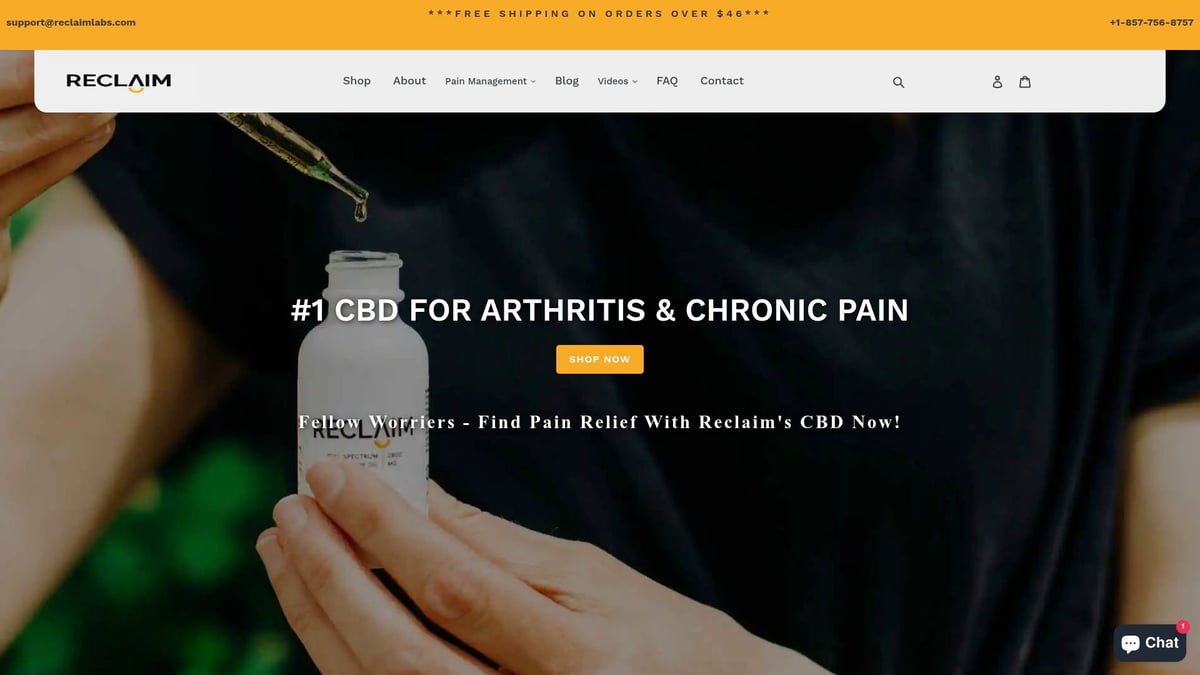
Reclaim Labs: Premium CBD Solutions for Chronic Pain
Reclaim Labs stands out in the pain alleviation market for its research-backed CBD products. Their formulas target chronic pain, arthritis, and inflammation, with a focus on transparency and third-party testing.
- All products undergo rigorous quality checks.
- Customers report reduced pain levels and better mobility.
- Testimonials highlight broad-spectrum hemp oil as especially effective.
Reclaim Labs’ commitment to science and customer trust positions them as a leader in integrative pain solutions.
Safety and Regulation
Safety remains a top priority in pain alleviation, especially with alternative therapies. Patients should look for:
- Third-party lab testing to verify product purity and potency.
- Clear labeling of ingredients and dosages.
- Up-to-date knowledge of local and federal regulations.
In 2026, the FDA has updated guidelines on CBD and hemp products, emphasizing consumer protection and standardized quality. Staying informed helps ensure safe and effective pain alleviation.
Cutting-Edge Technologies and Innovations in Pain Alleviation
The landscape of pain alleviation is transforming rapidly in 2026, driven by breakthroughs in technology and science. These innovations are reshaping how chronic and acute pain are tracked, treated, and managed in daily life. By embracing new tools and therapies, individuals and clinicians are gaining more control and precision in pain alleviation than ever before.
Wearables and Digital Health Tools
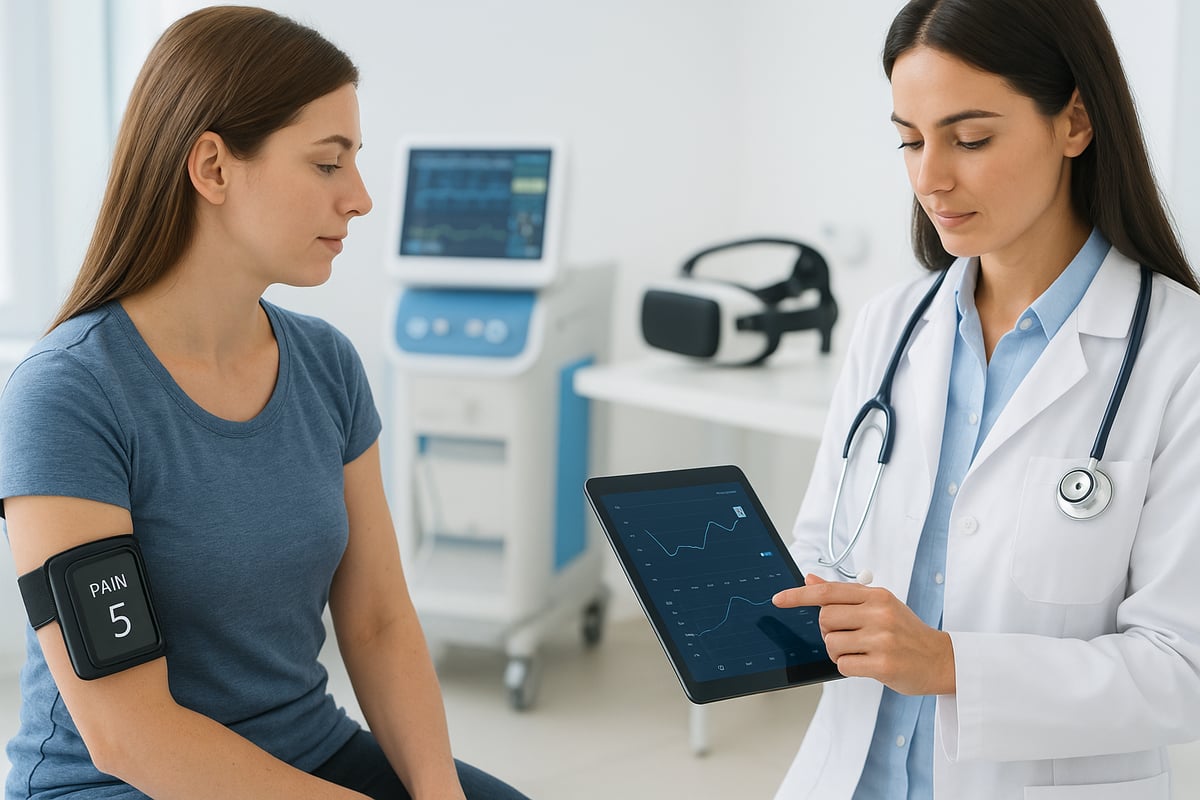
Wearable technology is becoming a cornerstone of pain alleviation strategies. Devices like smartwatches and biosensors now track pain intensity, movement patterns, and physiological signals in real time. These wearables help patients monitor their symptoms and provide clinicians with objective data for personalized care.
Some devices integrate with mobile apps, enabling users to log pain episodes, triggers, and medication use. In 2026, AI-powered assessment wearables are emerging, offering predictive insights and automated alerts. This real-time feedback loop empowers individuals to make informed decisions, optimize their routines, and enhance daily pain alleviation.
Neuromodulation and Electrical Stimulation
Neuromodulation is advancing as a minimally invasive solution for pain alleviation. Techniques like TENS, spinal cord stimulation, and peripheral nerve stimulation use targeted electrical impulses to disrupt pain signals. These therapies have shown significant benefits for conditions such as neuropathic pain and failed back surgery syndrome.
Recent research highlights improved patient selection methods and device customization. As a result, more people are experiencing lasting pain alleviation without relying solely on medications. The focus in 2026 is on maximizing relief while minimizing side effects and invasiveness.
Regenerative Medicine
Regenerative medicine is at the forefront of innovative pain alleviation. Stem cell therapies, platelet-rich plasma (PRP), and even gene editing are being explored to repair or regenerate damaged tissues. These interventions aim to address the root causes of pain, particularly in musculoskeletal and joint disorders.
Clinical trials from 2025 and 2026 report promising results, with some patients achieving substantial improvements in function and reduced reliance on traditional pain alleviation methods. The potential for long-term healing sets regenerative medicine apart from symptomatic treatments.
Virtual Reality (VR) and Augmented Reality (AR) for Pain Distraction
Virtual reality and augmented reality are redefining pain alleviation by providing immersive distraction during painful procedures or chronic flare-ups. VR environments transport users to calming or engaging settings, helping to lower perceived pain intensity.
Clinical data from recent years indicate that VR can reduce reported pain by up to 30% in healthcare settings. Augmented reality tools are also being used for guided rehabilitation and therapeutic exercises. These technologies are making pain alleviation more interactive and accessible, especially for patients who prefer non-pharmacological options.
Telemedicine and Remote Pain Management
Telemedicine continues to expand, making expert pain alleviation accessible regardless of location. Virtual consultations allow patients to connect with pain specialists, receive medication adjustments, and participate in therapy sessions from home.
Remote monitoring tools track symptoms, treatment adherence, and progress. This approach is critical for ongoing pain alleviation, especially for those with mobility challenges or living in underserved areas. The integration of video calls, secure messaging, and cloud-based records streamlines care and supports continuity.
Personalized Medicine and AI
Personalized medicine is transforming pain alleviation by tailoring treatments to each individual's genetic makeup, lifestyle, and response patterns. AI-driven algorithms analyze large datasets to predict pain susceptibility and recommend optimal therapies.
One notable advancement is the development of AI models like PainFormer: AI in pain assessment, which automatically evaluate pain levels from patient data. These innovations improve diagnosis accuracy and support clinicians in creating effective pain alleviation plans. As AI becomes more integrated, expect even more refined and proactive approaches to managing pain.
Lifestyle, Prevention, and Self-Management for Long-Term Relief
Taking charge of your daily habits is essential for effective pain alleviation. While treatments and therapies play a role, long-term relief often depends on proactive self-management. By integrating evidence-based lifestyle modifications, you can help reduce pain, improve function, and enhance your overall wellbeing.
Movement and Physical Activity
Regular movement is a cornerstone of pain alleviation. Engaging in activities like walking, swimming, or gentle stretching supports joint health and muscle strength. According to 2025 guidelines, 150 minutes of moderate activity per week can prevent chronic pain and improve mobility.
Physical activity also reduces inflammation and supports mental health. For those with arthritis or similar conditions, tailored exercise plans can be especially beneficial. Explore Arthritis Management Strategies for targeted approaches that complement your pain alleviation goals.
Start slowly and listen to your body, gradually increasing intensity as tolerated.
Sleep Optimization
Quality sleep is vital for pain alleviation. Poor sleep can heighten pain sensitivity and slow recovery. Establishing a consistent bedtime routine, limiting screen exposure, and creating a comfortable sleep environment can make a significant difference.
Cognitive Behavioral Therapy for Insomnia (CBT-I) is a proven method for those struggling with sleep and pain. Prioritizing sleep hygiene not only helps with pain alleviation but also boosts mood and energy for daily activities.
Stress Reduction and Emotional Wellbeing
Stress can amplify pain and hinder recovery. Incorporating stress management techniques into your pain alleviation plan is crucial. Mindfulness, deep breathing, and guided imagery are effective strategies.
Counseling and biofeedback may offer additional support for emotional wellbeing. Building resilience through these practices encourages a more positive outlook and empowers you to manage pain proactively.
Ergonomics and Daily Habits
Adopting ergonomic practices at home and work helps prevent injury and supports pain alleviation. Adjust your workspace to promote good posture, and use supportive equipment when necessary.
Short breaks throughout the day to stretch or adjust your position can reduce strain on muscles and joints. Simple changes in daily habits, such as lifting objects correctly, can make a noticeable difference in long-term pain management.
Building a Support Network
Having a reliable support network is an important aspect of pain alleviation. Family, friends, and support groups can offer encouragement, practical help, and emotional understanding.
Online communities dedicated to chronic pain provide a space to share experiences and coping strategies. Reaching out for support reduces feelings of isolation and fosters motivation for self-care.
Self-Tracking and Empowerment
Tracking your symptoms, activities, and triggers empowers you to take an active role in pain alleviation. Digital apps and pain diaries can help identify patterns and inform treatment adjustments.
Being proactive and engaged in your care leads to better outcomes and adherence. Remember, small daily actions and informed choices can drive meaningful progress toward lasting pain relief.
Expert Recommendations and Future Directions in Pain Alleviation
The landscape of pain alleviation is evolving rapidly, guided by expert consensus and a commitment to patient-centered care. As we look toward 2026, staying informed about the latest recommendations and future directions is essential for both patients and providers.
Key Insights from Pain Specialists
Pain specialists emphasize the necessity of individualized, multidisciplinary pain alleviation strategies. Current guidelines recommend integrating physical, psychological, and social assessments to create comprehensive care plans.
Experts highlight that early intervention and regular reassessment are critical. This approach helps prevent chronicity and tailors treatments as patient needs evolve. Collaboration between physicians, therapists, and mental health professionals remains a cornerstone of effective care.
Promising Therapies on the Horizon
Innovation in pain alleviation continues to accelerate. New drug classes, such as biologics and non-opioid medications, are showing promise for conditions like neuropathic pain. For example, suzetrigine, a recently approved non-opioid medication, represents a significant advance for acute pain management. You can learn more about its mechanism and clinical use in this overview: Suzetrigine: Non-opioid pain medication.
Regenerative medicine is also gaining traction, with stem cell therapies and gene editing entering late-stage clinical trials. These therapies could soon redefine treatment options for patients with complex pain conditions.
Policy and Access Considerations
Health equity is a growing focus in pain alleviation policy. Recent changes in reimbursement models and insurance coverage are improving access to evidence-based therapies. Policymakers are prioritizing the reduction of disparities in diagnosis and treatment.
A summary of recent policy shifts:
| Year | Policy Change | Impact |
|---|---|---|
| 2025 | Expanded telehealth reimbursement | Increased rural access |
| 2026 | Non-opioid therapy incentives | Broader treatment choices |
These changes aim to ensure that all populations benefit from advances in pain care.
Patient Advocacy and Education
Empowering patients is fundamental to successful pain alleviation. There is a growing movement toward shared decision-making, where patients take an active role in selecting their therapies.
Patient-led advocacy groups are contributing to research and education, ensuring that lived experiences shape clinical guidelines. Educational initiatives are equipping patients with knowledge to navigate complex treatment options confidently.
Bridging the Gap: Integrating Traditional and Modern Approaches
Effective pain alleviation often combines established medical practices with innovative interventions. Integrative pain clinics are merging conventional therapies with alternative options, such as mindfulness, digital health tools, and interventional procedures.
For a deeper dive into the latest procedural trends, see this analysis of emerging trends in interventional pain management. These hybrid models demonstrate improved outcomes by personalizing care and leveraging multidisciplinary expertise.
Preparing for the Future: What Patients and Providers Need to Know
Looking ahead, the future of pain alleviation will be shaped by ongoing technological advances and patient engagement. Artificial intelligence, wearable devices, and precision medicine are transforming how pain is assessed and managed.
Both patients and providers must stay adaptable, embracing new tools and evidence as they emerge. By prioritizing collaboration, continuous education, and holistic care, the next era of pain alleviation promises more effective, equitable, and empowering solutions.
As you’ve learned throughout this guide, overcoming chronic pain involves a thoughtful combination of expert strategies—from advanced therapies and lifestyle changes to embracing natural alternatives like premium CBD. If you’re ready to take the next step toward lasting relief, explore trusted solutions that prioritize quality, transparency, and your unique needs. Reclaim Labs offers rigorously tested CBD hemp oil products designed to support those dealing with persistent pain and inflammation. When you’re prepared to put these expert recommendations into action, you don’t have to wait—Get Relief Now!