Pain touches every life, yet describing your pain level can feel impossible. In 2026, accurate pain assessment is vital for getting the right diagnosis and relief. This essential guide breaks down the latest science, tools, and strategies for measuring and communicating pain. Discover new pain scale innovations, learn how to self-assess, and find practical tips for talking with healthcare providers. Whether you manage chronic discomfort or want to support loved ones, you will gain actionable insights, new solutions, and resources for taking control of pain today.
Understanding Pain Levels: The Basics
Pain is a complex, personal experience that can be short term or persist for years. Understanding your pain level is essential because it affects every aspect of daily life, from mobility to mood. Pain can be acute, such as after an injury or surgery, or chronic, lasting more than three months and linked to conditions like arthritis or fibromyalgia. Both biological factors, like nerve signals, and psychological aspects, such as stress or anxiety, shape how you feel pain. Over 50 million Americans report chronic pain, according to the NIH study on chronic pain prevalence. This staggering number underlines why accurate pain level assessment is vital for better health outcomes and effective treatment.

What Is Pain and Why Does It Matter?
Pain is more than just a physical sensation. Acute pain usually signals immediate injury or illness, while chronic pain continues long after healing. The pain level you experience can impact sleep, work, relationships, and mental health. Examples include arthritis, which causes persistent joint pain, or fibromyalgia, which involves widespread discomfort and fatigue. Accurate pain level assessment helps guide treatment and supports better long-term outcomes. Without understanding your pain level, it is difficult for you and your healthcare team to make informed decisions.
Common Pain Scales Explained
Healthcare providers use several tools to measure your pain level. The Numeric Rating Scale (NRS) asks you to rate pain from 0 (no pain) to 10 (worst pain imaginable). The Visual Analog Scale (VAS) uses a line where you mark your pain. The Wong-Baker FACES scale shows faces ranging from smiling to crying, which is helpful for children. The FLACC scale is designed for non-verbal patients, assessing facial expression, leg movement, activity, crying, and consolability.
| Scale | Best For | Pros | Cons |
|---|---|---|---|
| NRS | Most adults | Simple, quick | May lack nuance |
| VAS | Adults | Visual, flexible | Can be confusing |
| FACES | Children | Easy to interpret | Less precise |
| FLACC | Non-verbal | Objective cues | Needs observation |
Each method has strengths and limitations. The right choice depends on your age, communication abilities, and specific pain level needs.
Limitations and Challenges in Pain Measurement
Measuring pain level is challenging due to its subjective nature. What feels like a mild ache to one person may be severe for another. Cultural background, language barriers, and age can influence how people describe their pain level. Children, the elderly, or those who cannot speak may struggle to communicate their pain level clearly. Sometimes, healthcare providers may misinterpret pain signals, which can lead to under- or over-treatment. These challenges highlight why a one-size-fits-all approach to pain level measurement is not enough.
Why 2026 Requires a New Approach
By 2026, advances in pain science and technology are transforming how we assess pain level. There is a growing emphasis on patient-centered care, making your experience central to every decision. Digital health tools, like mobile apps and wearables, now help track pain level in real time. This technology enables more nuanced and inclusive pain level assessments, especially for those who struggle to communicate. For example, AI-powered pain analysis apps now combine your self-reported pain level with objective data, offering a clearer picture for you and your provider. This shift ensures everyone receives more accurate and personalized pain level care.
The 2026 Pain Level Scale: Innovations and Updates
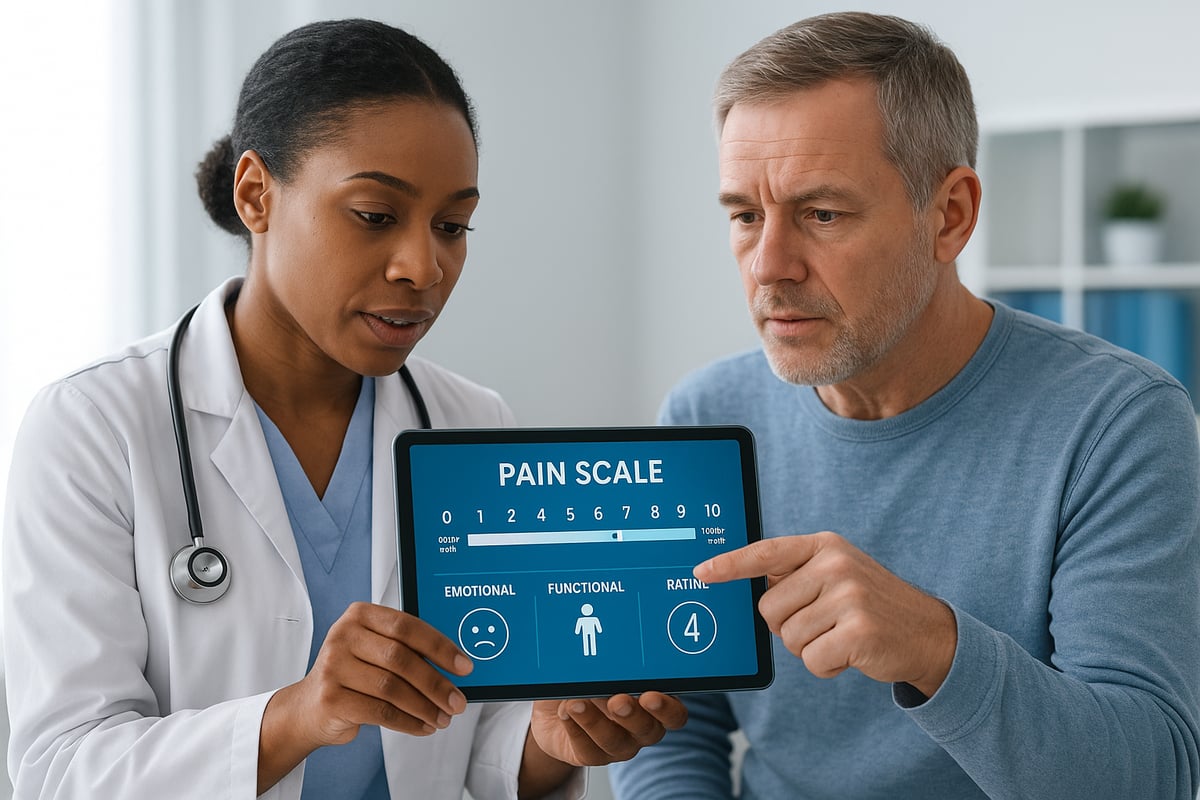
Pain assessment has come a long way in recent years. The introduction of the 2026 pain level scale marks a pivotal shift, blending science, technology, and patient advocacy. Understanding these changes helps ensure more accurate pain measurement and better outcomes for everyone.
Evolution of Pain Scales: What’s Changed?
Traditional pain level scales, such as the Numeric Rating Scale and Visual Analog Scale, have been widely used since the late twentieth century. However, many criticized these tools for oversimplifying the complex nature of pain. Research in the 2020s highlighted gaps, especially for chronic pain or diverse populations. Advocacy from patient groups and new scientific insights pushed for more nuanced assessments. Now, in 2026, the pain level scale is shaped by these demands, with an emphasis on comprehensive, real-world measurement.
Features of the 2026 Pain Level Scale
The latest pain level scale is multidimensional, capturing not only intensity but also emotional and functional impacts. It leverages wearable technology and mobile apps to offer real-time pain tracking. Patients input both subjective ratings and objective data, such as movement or sleep quality. This innovative approach, supported by advances like PainFormer, a vision foundation model for automatic pain assessment, helps clinicians interpret pain level more accurately. The result is a more holistic view that adapts to individual needs.
Table: Key Features Comparison
| Feature | Traditional Scales | 2026 Pain Level Scale |
|---|---|---|
| Numeric Rating Only | Yes | No |
| Emotional Assessment | No | Yes |
| Functional Impact | Sometimes | Yes |
| Wearable Integration | No | Yes |
| Real-Time Tracking | No | Yes |
| Objective Data Included | Rarely | Yes |
How the New Scale Works: Step-by-Step
The 2026 pain level scale begins with a baseline rating from zero to ten, as in older models. Next, it assesses how pain affects movement, sleep, and mood. The third step examines emotional well-being, such as anxiety or frustration linked to pain. Patients then use an app or wearable device to provide digital input, including activity and sleep patterns. Finally, all pain level data is securely shared with healthcare providers, making it easier to monitor trends and adjust treatment promptly.
Benefits Over Traditional Scales
The updated pain level scale offers significant benefits. It provides greater accuracy by combining subjective and objective data. Personalization ensures that each patient’s experience is captured, reducing the risk of missed pain spikes. Early detection of trends enables prompt intervention, especially for chronic pain sufferers. Communication between patients and providers improves, as both can review detailed pain level reports. This leads to more effective, tailored care and better overall outcomes.
Real-World Examples and Case Studies
Consider a fibromyalgia patient who uses a wearable device to log daily pain level changes. Digital tracking reveals patterns, such as increased pain after poor sleep. According to a 2025 JAMA study, patients using these tools reported a 30 percent improvement in pain management. Clinicians also note fewer misunderstandings, since pain level data is clear and consistent. Testimonials highlight greater confidence in care plans and a stronger sense of partnership between patients and professionals.
Addressing Equity and Inclusivity in Pain Assessment
The 2026 pain level scale addresses equity by adapting tools for non-verbal, pediatric, and neurodiverse populations. Visual cues and culturally sensitive language make the scale accessible to all. Caregivers can provide input for those unable to self-report. These updates help reduce disparities in pain care, ensuring that every pain level is recognized and treated appropriately. Inclusivity remains a guiding principle as the field evolves, making pain assessment fairer and more effective.
How to Assess Your Pain Level: A Step-by-Step Guide
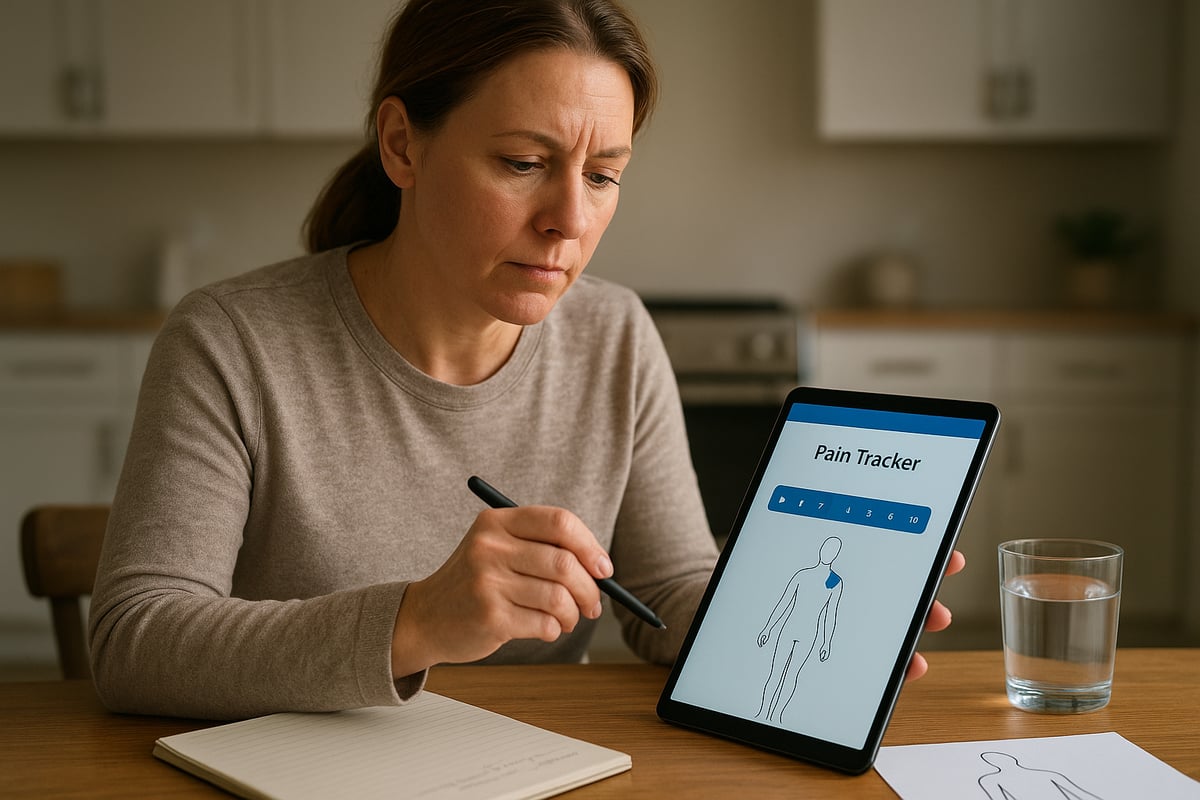
Understanding your pain level is essential for effective self-management and communication with your healthcare team. By following a structured approach, you can capture the details that matter most and advocate for the right care. This guide breaks down each step, making it easier to assess and track your pain level with confidence.
Preparing for Self-Assessment
Begin by choosing a consistent time and calm environment for evaluating your pain level. This might be each morning before starting your day or in the evening as you wind down. Consistency helps capture accurate trends over time.
Identify common pain triggers, such as specific activities, foods, or stressors. Keeping a pain diary or using a mobile app can simplify tracking these patterns. Make a note of any changes in routine, sleep, or mood that coincide with shifts in your pain level.
Preparation also means gathering any tools you need, like a body diagram, digital tracker, or a list of recent medications. These steps ensure your pain level assessment is as objective and informative as possible.
Step 1: Rate Your Pain Intensity
Use a standardized 0–10 scale to rate your pain level. Zero means no pain, while ten is the worst pain you can imagine. Try to choose the number that best matches your current pain level, not your worst or best from the past.
Here is a simple guide:
- 0: No pain
- 1–3: Mild, noticeable but manageable
- 4–6: Moderate, distracting, may affect activities
- 7–9: Severe, limits most activities
- 10: Unbearable, unable to function
If you are unsure, compare your pain level to common experiences, such as stubbing a toe or having a bad headache. This approach helps you communicate your pain level more clearly to your healthcare provider.
Step 2: Describe the Quality and Location
Describing the type and location of your pain level adds important context. Is it sharp, dull, throbbing, burning, or tingling? Use body diagrams to mark all affected areas. Be specific—sciatic pain often travels down one leg, while migraine pain is usually localized to one side of the head.
Different conditions can produce unique sensations. For example, fibromyalgia pain is often widespread and changes throughout the day. For more insights, you can read about What Does Fibromyalgia Pain Feel Like, which illustrates how pain level can vary between individuals and diagnoses.
Noting these details helps both you and your provider pinpoint the underlying causes and choose the right interventions.
Step 3: Assess Functional Impact
Assess how your current pain level affects daily life. Is it interfering with walking, working, sleeping, or socializing? Functional questionnaires, like the Pain Disability Index, can help quantify these effects.
Make a checklist:
- Can you complete household tasks?
- Has your sleep quality changed?
- Are you avoiding exercise or hobbies?
- Has your mood or energy shifted?
Documenting how your pain level limits your activities provides a fuller picture for your care team. This step is especially valuable for chronic pain, where functional impact often outweighs intensity alone.
Step 4: Track Pain Over Time
Consistency is key to understanding your pain level trends. Use a digital app or paper diary to record your pain level at the same time each day. Over weeks or months, patterns may emerge, such as flares linked to weather, activity, or stress.
Trend analysis can reveal triggers and help you and your provider adjust treatments. Many modern apps offer graphs and reminders, making it easier to spot when your pain level is improving or worsening.
Sharing this data with your healthcare team ensures that your pain management plan evolves with your needs, supporting better outcomes.
Communicating Your Pain Effectively to Healthcare Providers
Effectively communicating your pain level to healthcare providers is essential for accurate diagnosis and personalized care. Clear communication ensures your symptoms are understood, leading to better pain management and improved health outcomes. Many people struggle to express their pain level, which can result in under-treatment or unnecessary interventions.
Establishing a shared understanding of your pain level helps your provider tailor treatment plans to your unique needs. This is especially important for those managing chronic pain, where subtle changes in pain level can signal shifts in your condition. By consistently describing your pain level, you foster trust and collaboration with your healthcare team.
Why Communication Matters
Communicating your pain level is the foundation of effective pain assessment. Providers rely on your input to determine the nature and severity of your discomfort. Without accurate communication, your pain level may be misunderstood, leading to missed diagnoses or inappropriate treatments.
Open discussions about your pain level build trust. When you describe your pain level in detail, providers are more likely to recognize patterns and recommend targeted interventions. This approach improves your experience and increases satisfaction with care.
Consistent communication about your pain level also helps prevent under- or over-treatment. By sharing changes in your pain level over time, you enable your provider to adjust therapies quickly, supporting better long-term outcomes.
Strategies for Clear Pain Communication
To clearly express your pain level, use standardized language and specific descriptors. Describe your pain level using a 0 to 10 scale and note whether it is sharp, dull, constant, or intermittent. Bring a pain diary or app records to appointments to help your provider visualize trends in your pain level.
Detail the timing, triggers, and relief methods you have tried. For example, mention if your pain level worsens at night or improves with heat. These specifics allow your provider to understand your pain level and recommend the most effective treatments.
For more guidance on discussing your pain level and exploring suitable options, you can review Understanding Pain Relief Options, which provides insights into pain management strategies and communication tips.
Overcoming Common Barriers
Many patients worry about being dismissed or misunderstood when describing their pain level. Fear of judgment can lead to underreporting or vague descriptions, which may impact care. To overcome these barriers, prepare notes about your pain level before appointments and practice stating your needs clearly.
If you are advocating for a loved one, gather observations about their pain level, including behavioral changes or non-verbal cues. Utilize patient advocates or support groups to reinforce your voice and ensure your concerns about pain level are addressed.
Remember, your experiences are valid. Persist in communicating your pain level until you feel heard. Providers are trained to help and want to support you in managing your pain level effectively.
Examples and Tips for Productive Conversations
Productive conversations about your pain level start with specific, concise statements. For instance, say, “My pain level is a 7 out of 10, sharp, worse in the evening, and improves with heat.” Use these elements to structure your report:
- State your current pain level on the 0-10 scale.
- Describe the type and location of pain.
- Note changes over time and any triggers.
- Mention what has helped or worsened your pain level.
Encourage two-way dialogue by asking questions and inviting feedback. This collaborative approach ensures your pain level is fully understood and incorporated into your treatment plan.
The Latest Tools and Treatments for Pain Management in 2026
Staying ahead in pain management means embracing the newest tools and treatments designed for today's challenges. In 2026, patients and providers have more choices than ever to monitor, assess, and control pain level with precision. Let’s explore the cutting-edge advances shaping pain relief this year.
Advances in Digital Pain Tracking
Digital pain tracking has revolutionized how people monitor their pain level daily. Modern mobile apps now integrate with wearable devices, capturing real-time data such as heart rate, movement, and sleep patterns. These platforms use artificial intelligence to analyze trends and alert users and clinicians to changes that may indicate a worsening condition.
Patients can log symptoms, triggers, and responses to treatments with a tap, making it easier to share detailed records with healthcare teams. This approach not only increases the accuracy of pain level reporting but also empowers users to spot patterns and adjust their routines for better outcomes.
Non-Pharmacological Pain Relief Methods
In 2026, non-pharmacological strategies remain a cornerstone of effective pain level management. Physical therapy, targeted exercise programs, and rehabilitation are tailored to individual needs, helping restore function and reduce discomfort. Cognitive-behavioral therapy and mindfulness techniques support the psychological side of pain, teaching coping skills and stress reduction.
Alternative therapies such as acupuncture, massage, and yoga are increasingly recommended, with data from the NIH in 2025 showing that 40% of chronic pain patients use these methods. The integration of these approaches provides a holistic path to maintaining a manageable pain level without relying solely on medication.
Pharmacological Treatments: What’s New?
Pharmacological options for managing pain level have evolved significantly. Updated guidelines focus on minimizing opioid use, emphasizing a balanced approach with non-opioid medications and personalized regimens. Advances in pharmacogenetics allow clinicians to select medications based on a patient’s genetic profile, improving efficacy and reducing side effects.
New drug classes introduced in 2026 offer targeted relief for conditions like neuropathic and inflammatory pain. These innovations, combined with regular pain level assessments, help ensure that each patient receives optimal therapy tailored to their unique needs.
Natural and Complementary Solutions
Natural solutions are increasingly part of mainstream pain level management. Supplements such as turmeric and omega-3 fatty acids have gained popularity for their anti-inflammatory properties. There is also growing scientific support for the use of CBD and hemp oil, particularly for chronic conditions like arthritis and fibromyalgia.
For those seeking more evidence-based insights, CBD and Pain Management Science provides a thorough explanation of how CBD oil may impact chronic pain. Choosing high-quality, third-party tested products is essential for safety and effectiveness.
CBD and Hemp Oil for Pain Relief: What to Know in 2026
CBD and hemp oil are at the forefront of new pain level solutions in 2026. These compounds interact with the body's endocannabinoid system, potentially reducing inflammation and modulating pain signals. Recent studies highlight their benefits for persistent pain, including arthritis and fibromyalgia.

When selecting products, it’s important to look for brands like Reclaim Labs that offer transparency, education, and satisfaction guarantees. High standards in sourcing and testing help ensure that individuals seeking relief at every pain level receive consistent, reliable results.
Choosing the Right Pain Management Tools for You
Selecting the best tools and treatments for your pain level requires a personalized approach. Consider the type and source of your pain, your daily activities, and your long-term health goals. Combining digital tracking, non-drug therapies, medication when appropriate, and natural supplements can provide comprehensive relief.
Always consult with healthcare professionals to tailor a plan that fits your needs. By leveraging the latest innovations, you can take an active role in managing your pain level and improving your quality of life.
Special Considerations for Chronic Pain and Vulnerable Populations
Chronic pain presents unique hurdles that require tailored approaches for effective management. The long-term nature of persistent pain can impact nearly every aspect of daily living, from sleep quality to emotional health. Studies indicate a significant rise in chronic pain cases in the past few years, as documented in the CDC report on chronic pain increase. This growing prevalence highlights the need for accurate pain level assessment and comprehensive care strategies. Multidisciplinary teams, including physicians, physical therapists, and mental health professionals, are essential for addressing the complex needs of chronic pain sufferers. By focusing on a well-rounded approach, individuals can find more sustainable relief and improved quality of life.
Pediatric and Geriatric Pain Assessment
Assessing pain level in children and older adults demands special attention. Young patients may lack the vocabulary to describe their discomfort, while seniors might underreport pain due to cognitive decline or fear of treatment. Tools such as the FLACC scale are designed to interpret non-verbal cues like facial expressions, leg movement, and crying. In older adults, behavioral changes or withdrawal from activities can signal unrecognized pain. Caregivers and healthcare professionals must remain vigilant, using body language and observational checklists to capture the true pain level. Adapting communication and assessment tools ensures vulnerable age groups receive appropriate support.
Pain in Neurodiverse and Non-Verbal Populations
For individuals who are neurodiverse or non-verbal, expressing pain level can be especially challenging. Standard scales may not fully capture their experience, leading to missed or misinterpreted symptoms. Visual aids, such as picture boards or color-coded charts, help bridge communication gaps. Technology also plays a role, enabling caregivers to track behavior changes and report trends to healthcare teams. Involving family members or support staff in the assessment process ensures that subtle signs of discomfort are not overlooked. By customizing pain level evaluation methods, clinicians can provide more accurate and compassionate care to these populations.
Addressing Health Disparities in Pain Care
Disparities in pain level assessment and treatment persist across socioeconomic, racial, and gender lines. Research shows that minorities are often less likely to receive adequate pain management, which can lead to poorer health outcomes. Addressing these gaps requires culturally sensitive communication, access to translation services, and inclusive education for both providers and patients. National initiatives and conferences, such as the IASP 2026 Pain Management Conference, emphasize the importance of equitable approaches and highlight ongoing efforts to close the care gap. By prioritizing fairness in pain level evaluation, the healthcare system moves closer to serving every patient’s unique needs.
You've now got the latest insights into understanding and communicating your pain levels in 2026, along with practical strategies and the most up to date tools available. If you're ready to take the next step toward real relief, remember that you have options beyond traditional treatments. At Reclaim Labs, we focus on premium CBD hemp oil solutions, designed for people seeking reliable, natural alternatives for managing chronic pain and inflammation. You deserve support that’s safe, effective, and backed by transparency every step of the way. If you’re ready to explore your options, Get Relief Now!