Imagine starting your day with a nagging ache in your back or neck, making even simple tasks feel challenging. As body pain becomes increasingly common in our fast-paced, tech-driven lives, many struggle to maintain comfort and stay productive. This body pain relief guide brings you the most current, expert-backed strategies to help you find lasting comfort in 2026. Inside, you will discover the underlying causes of pain, innovative relief techniques, medication and natural remedies, lifestyle adjustments, and the latest breakthroughs. Ready to take control of your well-being? Practical solutions await.
Understanding Body Pain: Causes and Modern Challenges
Body pain is a widespread concern, affecting people of all ages and backgrounds. Understanding the types, causes, and challenges of modern pain is the first step toward effective body pain relief. Let’s explore what makes pain such a complex and evolving issue in 2026.

The Most Common Types of Body Pain
Back pain remains the most reported type of discomfort, with nearly 80% of adults experiencing it at some point. Neck pain, joint pain, muscle aches, and headaches are also frequent complaints. These pains can be acute, such as after a sudden injury, or chronic, lasting for months or even years.
The way pain presents often changes with age and lifestyle. Younger adults might notice muscle aches from sports or screen time, while older adults may struggle with joint pain from arthritis. Recognizing these patterns is crucial for personalized body pain relief.
A quick comparison:
| Pain Type | Acute Example | Chronic Example |
|---|---|---|
| Back Pain | Lifting injury | Degenerative disc |
| Neck Pain | Whiplash | Tech neck |
| Joint Pain | Sprain | Osteoarthritis |
| Headaches | Tension | Migraines |
Key Causes and Triggers in 2026
The landscape of body pain relief has shifted due to lifestyle changes. Sedentary routines and remote work have increased, leading to more stiffness and discomfort. Poor posture from constant device use is a growing trigger, especially among office workers and students.
Injuries still play a role, but overuse and repetitive strain are now more common, especially in jobs involving computers or repetitive motions. Underlying medical conditions such as arthritis, fibromyalgia, and autoimmune disorders can also be significant factors. Understanding these triggers helps tailor body pain relief strategies for today’s world.
The Impact of Technology and Lifestyle Shifts
Increased screen time affects posture and the musculoskeletal system, making body pain relief a persistent need for many. Stress and mental health issues are now recognized as major contributors, with studies showing a strong link between chronic pain and conditions like depression and anxiety. According to a study on chronic pain and mental health, high rates of depression and anxiety are found in people living with ongoing pain.
Sleep disruption is another factor: poor rest increases sensitivity to pain and slows recovery. Since 2020, complaints of back and neck pain have risen, reflecting the shift toward digital lifestyles. Addressing these modern challenges is key to successful body pain relief.
When to Seek Professional Help
Not all pain should be managed at home. Persistent, severe, or unexplained pain are red flags that warrant medical attention. Early diagnosis is vital for chronic conditions, preventing complications and improving outcomes.
Specialists such as pain clinic providers, physiatrists, and rheumatologists can offer targeted body pain relief when standard approaches fall short. For example, a sudden injury from a fall may need immediate care, while gradual onset pain from poor posture might require a different strategy. Always consider professional advice for lasting comfort and safety.
Evidence-Based Pain Relief Techniques for 2026
Finding the right body pain relief strategy in 2026 means staying current with proven approaches and new tools. With expert insights and smart technology, you can address pain more efficiently than ever. Understanding the best techniques helps you regain comfort and control, whether your pain is occasional or persistent. For a broader overview of pain relief strategies, see this helpful pain relief techniques and strategies guide.
Step 1: Assess and Track Your Pain
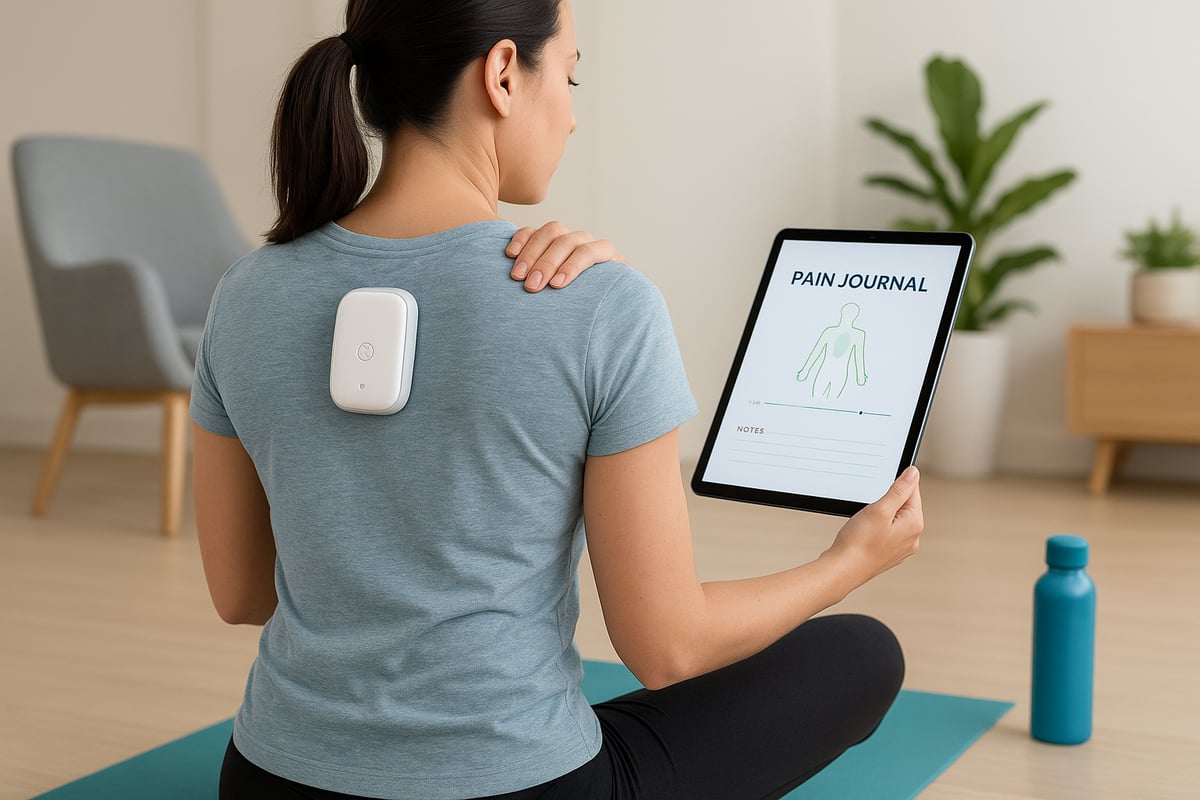
Accurate tracking is the foundation of effective body pain relief. Start by keeping a pain journal, noting the location, intensity, and triggers of discomfort. This habit helps uncover patterns, such as pain worsening after certain activities or at specific times of day.
Modern technology enhances this process. Wearable pain trackers and mobile health apps automatically log your symptoms and activity. These tools provide data-driven insights, allowing you and your healthcare team to tailor your body pain relief plan. Over time, you can identify what works best and adjust your approach for optimal comfort.
Step 2: Medication Options—What’s New and What Works
Medication remains a key part of body pain relief, but options have evolved. Over-the-counter (OTC) choices like acetaminophen, aspirin, and ibuprofen continue to offer relief for many. Dual-action formulas, such as aspirin combined with acetaminophen, deliver targeted benefits and may be suitable for specific pain profiles.
Safety is crucial. Look for caffeine-free and non-addictive options, especially for long-term use. In 2026, new drug developments include extended-release tablets and innovative delivery methods like dissolvable films. Always follow dosing instructions and consult your provider to ensure your body pain relief strategy is both effective and safe.
Step 3: Physical Therapies and Movement
Movement is essential for sustained body pain relief. Regular stretching routines improve flexibility and help correct posture, reducing stress on muscles and joints. Advances in physical therapy now include virtual PT sessions and AI-assisted exercise plans, making expert guidance accessible at home.
Incorporating regular activity, such as daily walks or gentle yoga, can significantly reduce pain levels. Consistency is key; even small, daily movements contribute to long-term body pain relief and improved function. Consult a physical therapist for a personalized plan tailored to your needs and goals.
Step 4: Heat, Cold, and Topical Relief
Understanding when to use heat or cold therapy is important for effective body pain relief. Heat promotes blood flow and relaxes muscles, making it ideal for chronic aches. Cold therapy reduces inflammation and numbs sharp pain, especially after injury or overuse.
Modern topical treatments, such as gels, creams, and patches, provide targeted relief. For example, fast-acting powders and advanced patches offer quick comfort without systemic side effects. Always apply these products as directed to maximize their benefits and support your body pain relief routine.
Step 5: Mind-Body and Relaxation Techniques
Mind-body approaches are gaining recognition in body pain relief strategies. Guided meditation, mindfulness, and breathing exercises help manage pain perception and reduce stress. Biofeedback devices and neurostimulation tools provide real-time feedback, empowering users to regulate their responses to pain.
Evidence shows that mindfulness practices can lower chronic pain by up to 30 percent. Including these techniques in your daily routine not only eases discomfort but also enhances overall well-being. Choose the methods that resonate with you to support lasting body pain relief.
Step 6: Integrative and Alternative Therapies
Integrative therapies are increasingly popular for body pain relief in 2026. Acupuncture, massage, and chiropractic care offer hands-on solutions for various pain types. Mindful movement practices like yoga and tai chi improve flexibility, balance, and comfort.
Data reveals a rise in the use of complementary therapies for managing pain. Many individuals find that combining these approaches with conventional care leads to better outcomes. Always consult qualified practitioners and discuss your body pain relief plan with your healthcare team to ensure the safest, most effective combination.
Natural Remedies and Lifestyle Adjustments for Comfort
Discovering sustainable body pain relief often begins with changes you can make at home. By focusing on nutrition, sleep, ergonomics, stress management, movement, and proactive strategies, you can create a foundation for long-term comfort and mobility.

Nutrition and Anti-Inflammatory Diets
Eating for body pain relief is more than a trend, it is a science-backed approach. Anti-inflammatory foods like omega-3 rich fish, turmeric, and leafy greens help lower inflammation, which is a major contributor to pain. Staying hydrated is equally important, as water supports tissue health and joint lubrication.
The Mediterranean diet is often recommended for its pain-reducing benefits. It emphasizes whole grains, healthy fats, and plenty of vegetables. For those looking to enhance mobility, consider exploring natural supplements for mobility that can complement a balanced diet.
Small changes, such as adding walnuts or berries to your meals, can make a noticeable difference in your daily comfort.
Sleep Hygiene and Restorative Practices
Quality sleep is vital for effective body pain relief. When you are well-rested, your body repairs tissues and manages inflammation more efficiently. Poor sleep, on the other hand, can increase pain sensitivity and prolong recovery.
Choose a supportive mattress and experiment with sleep positions that reduce pressure on sore areas. For example, side sleepers may benefit from a pillow between their knees. Establish a consistent bedtime routine by winding down with gentle stretches or relaxation techniques.
Limit screen time before bed, as blue light can disrupt your sleep cycle. A restful night sets the stage for a more comfortable day.
Ergonomics at Home and Work
Optimizing your environment plays a significant role in body pain relief. Prolonged sitting or awkward postures can strain muscles and joints. Ergonomic furniture, such as chairs with lumbar support and adjustable sit-stand desks, can reduce discomfort for remote workers.
Set up your workspace so screens are at eye level and feet rest flat on the floor. Take regular breaks to stretch and change positions. Even small adjustments, like using a footrest or wrist support, help maintain proper alignment.
Many individuals report fewer pain episodes after improving their home office ergonomics. Prioritize comfort to prevent pain from developing.
Stress Management for Pain Relief
The link between stress and body pain relief is well established. Stress amplifies pain signals and can trigger muscle tension. Managing stress not only improves your mood but also reduces physical discomfort.
Practice progressive muscle relaxation, where you tense and release each muscle group. Journaling about your day or engaging in enjoyable hobbies can also lower stress levels. Mindfulness and deep breathing exercises are effective for calming the nervous system.
Research shows that stress reduction can lower pain perception by over 20 percent. Incorporate these practices into your daily routine for holistic relief.
Movement and Exercise for All Ages
Consistent movement is a cornerstone of body pain relief, regardless of age. Low-impact exercises such as swimming, walking, or cycling help maintain joint flexibility and muscle strength without overloading the body.
Personalized fitness plans are especially beneficial for those with chronic pain. Start slowly and gradually increase activity to avoid flare-ups. Consider group classes or online programs tailored to your abilities.
Staying active, even in short bursts, helps prevent stiffness and improves overall function. Listen to your body and celebrate small milestones in your progress.
Preventing Pain Flare-Ups
Preventing flare-ups is a key strategy in ongoing body pain relief. Learn to recognize early warning signs, such as increased stiffness or mild aches, and respond promptly with self-care.
Schedule regular breaks during sedentary activities and incorporate micro-movements like stretching or gentle walking. Keep a log of triggers and effective interventions to guide your prevention plan.
Simple habits, like alternating tasks or using supportive gear, can stop minor discomfort from escalating. Early action ensures you remain comfortable and active throughout your day.
Innovations in Pain Relief: What’s Ahead in 2026
The future of body pain relief is being shaped by a wave of cutting-edge advancements. As technology and medical research evolve, new tools and therapies are emerging to make comfort more accessible and personalized than ever. Here is a look at what to expect for body pain relief in 2026.

Wearable and Smart Pain Management Devices
Wearable technology is transforming body pain relief by offering real-time monitoring and targeted support. Devices such as TENS units, smart patches, and AI-powered posture correction tools are increasingly popular. These wearables deliver personalized feedback, helping users adjust movements and reduce pain on the go.
For example, AI-driven posture correctors gently alert users when their alignment slips, preventing strain before discomfort sets in. Smart patches can deliver medication or heat therapy right where it is needed. These advances are part of a broader movement toward emerging technologies in pain management, making body pain relief more proactive and precise.
Advances in Medication and Delivery Systems
The landscape of body pain relief medications is shifting with the rise of microdosing and extended-release options. These new formulations provide steady relief with fewer side effects. Needle-free injectables and transdermal patches are also gaining ground, making medication delivery less invasive and more user-friendly.
For those seeking over-the-counter solutions, faster-acting and longer-lasting products are now available. Innovations focus on reducing the risk of dependency while optimizing comfort. These advances ensure that body pain relief can be both effective and safe for a wider range of individuals.
Digital Health and Telemedicine for Pain Management
Digital health is revolutionizing how people access body pain relief. Virtual consultations allow patients to connect with pain specialists from home, while remote monitoring tools track symptoms and progress. Mobile apps can create personalized pain management plans, adapting recommendations based on real-time data.
This shift toward telemedicine improves access to care, especially for those in remote areas or with mobility challenges. As a result, body pain relief is now more convenient and tailored, empowering individuals to take control of their comfort.
Personalized and Genomic Approaches
Personalization is becoming a cornerstone of body pain relief. By analyzing genetic markers, healthcare providers can predict which medications or therapies will be most effective for each person. Pharmacogenomics helps avoid adverse reactions and increases the likelihood of successful outcomes.
DNA-guided painkiller choices are already making a difference for patients with chronic pain. As this field advances, body pain relief strategies will become even more precise, ensuring better results with fewer side effects.
The Future of Integrative Therapies
Integrative therapies are gaining recognition as essential components of body pain relief. Combining conventional treatments with approaches like acupuncture, massage, and yoga delivers a holistic experience. Healthcare providers are developing evidence-based protocols that blend the best of both worlds.
Trends indicate growing acceptance of integrative care, especially as research validates its effectiveness. By uniting multiple disciplines, the future of body pain relief promises more comprehensive, long-lasting solutions for people from all walks of life.
Safety, Side Effects, and Responsible Pain Management
Managing body pain relief safely is crucial for both short-term comfort and long-term well-being. As options for relief expand, understanding medication risks, safe practices, and responsible strategies becomes even more important. This section outlines essential considerations to help you use body pain relief methods wisely and effectively.
Understanding Medication Risks and Interactions
When it comes to body pain relief, over-the-counter (OTC) and prescription medications remain common choices. However, each comes with potential side effects such as stomach upset, drowsiness, or liver strain, especially with acetaminophen.
Interactions can occur if you combine painkillers with other medicines or supplements. For example, certain drugs may increase bleeding risk or affect liver health. Always read labels, follow dosing instructions, and ask your pharmacist about possible interactions. Responsible use of medication helps optimize body pain relief while minimizing harm.
Avoiding Overuse and Dependency
Many people rely on medication for body pain relief, but overuse can lead to tolerance or dependency. Recognizing warning signs, such as needing higher doses for the same effect or using medication longer than recommended, is vital.
To minimize risk, rotate different pain relief strategies and incorporate non-drug methods. Data shows opioid prescriptions are decreasing, while safer alternatives are on the rise. Staying aware of your habits and making adjustments supports sustainable body pain relief.
Safe Use of Topical and Alternative Remedies
Topical creams, gels, and patches are increasingly popular for targeted body pain relief. However, some individuals may experience allergic reactions or skin sensitivities. Always test a small area first and follow dosing guidelines.
For those interested in modern solutions, topical CBD patches for pain offer a non-invasive, caffeine-free option, particularly for sensitive users. Proper application and product selection are key to ensuring safe and effective body pain relief.
Consulting Healthcare Professionals
Consulting a doctor or pharmacist is essential for personalized body pain relief. If you experience persistent, severe, or unexplained pain, seek expert guidance. Prepare for appointments by tracking your symptoms, noting what helps or worsens your pain, and listing all current medications.
Asking informed questions enables your healthcare provider to tailor a pain management plan that fits your needs and lifestyle. Professional support enhances safety and effectiveness in your body pain relief journey.
Monitoring Progress and Adjusting Strategies
Setting realistic goals is a cornerstone of responsible body pain relief. Regularly assess your symptoms, treatment outcomes, and any side effects. Adjust your approach based on evidence and professional advice.
Many individuals regain comfort and mobility by staying proactive. Success stories often highlight the importance of ongoing monitoring and timely changes. By remaining vigilant, you can achieve more effective and lasting body pain relief.
Now that you have a clearer understanding of what causes body pain and the most effective relief strategies for 2026, it’s empowering to know that you don’t have to manage discomfort on your own. Whether you’re dealing with chronic pain from conditions like arthritis or just looking for natural ways to ease daily aches, high-quality solutions are available. At Reclaim Labs, I trust the dedication to transparency and efficacy in every CBD hemp oil product, all carefully tested for your safety. If you’re ready to take the next step toward lasting relief, Get Relief Now!