Corticosteroids have long been a cornerstone treatment for managing inflammatory conditions, from rheumatoid arthritis to inflammatory bowel disease. However, these powerful medications come with significant risks when used long-term, including bone density loss, weight gain, increased infection risk, and potential adrenal suppression. For many patients in 2026, the question isn't whether to use corticosteroids, but how to safely reduce or eliminate them while maintaining symptom control. This is where the concept of tapering off corticosteroids with CBD has gained considerable attention, offering a potential bridge to help patients transition away from synthetic steroids toward more natural anti-inflammatory approaches.
Understanding the Corticosteroid Tapering Process
Abruptly stopping corticosteroid therapy can trigger serious health complications. The human body naturally produces cortisol through the adrenal glands, but prolonged corticosteroid use suppresses this natural production. When patients suddenly discontinue these medications, their bodies may not produce adequate cortisol independently, leading to adrenal insufficiency.
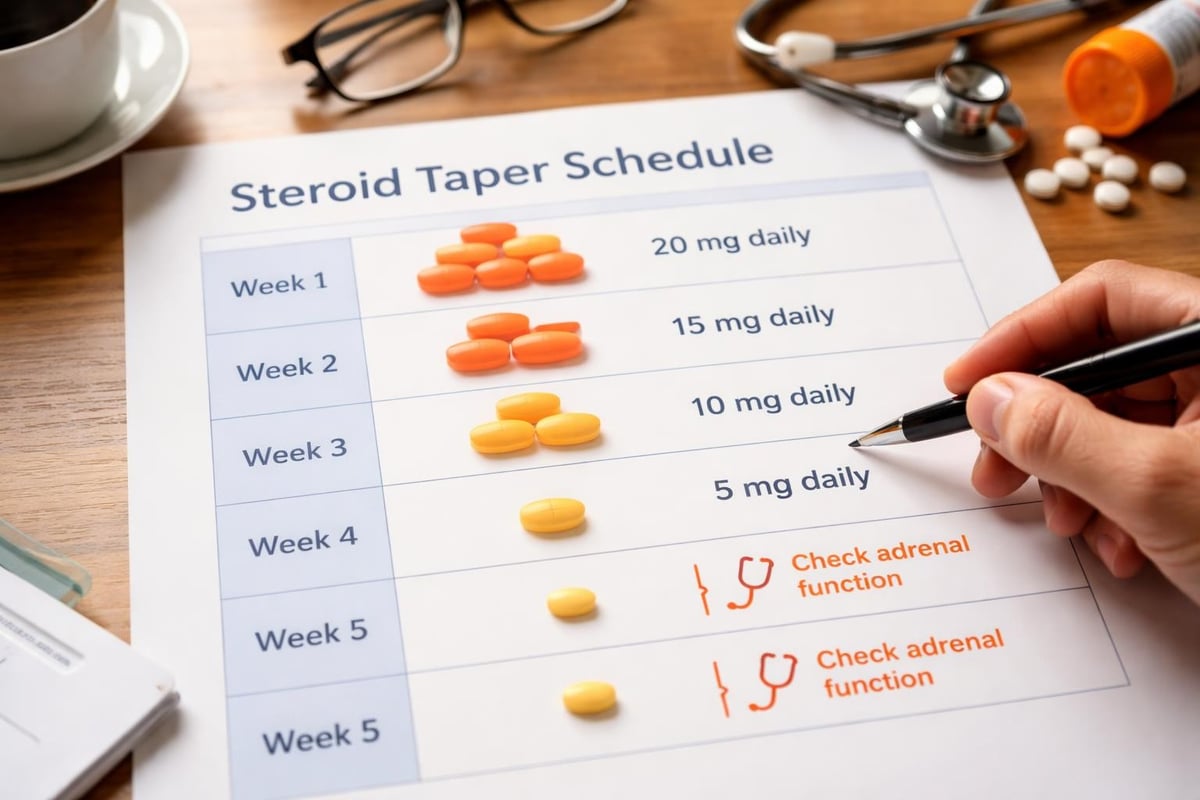
Understanding the importance of gradually reducing medication dosages remains critical for patient safety. The tapering process typically involves systematically reducing the dosage over weeks or months, allowing the adrenal glands to resume normal cortisol production gradually.
Withdrawal Symptoms and Risks
Patients who taper too quickly may experience a range of withdrawal symptoms that mirror the original condition being treated:
- Severe fatigue and weakness
- Joint pain and muscle aches
- Nausea and loss of appetite
- Low blood pressure and dizziness
- Mood changes including depression and irritability
- Difficulty concentrating
The severity of withdrawal symptoms often correlates with the duration of corticosteroid therapy and the dosage used. Patients who have taken high doses for extended periods face greater risks during tapering.
The Science Behind CBD as an Anti-Inflammatory Agent
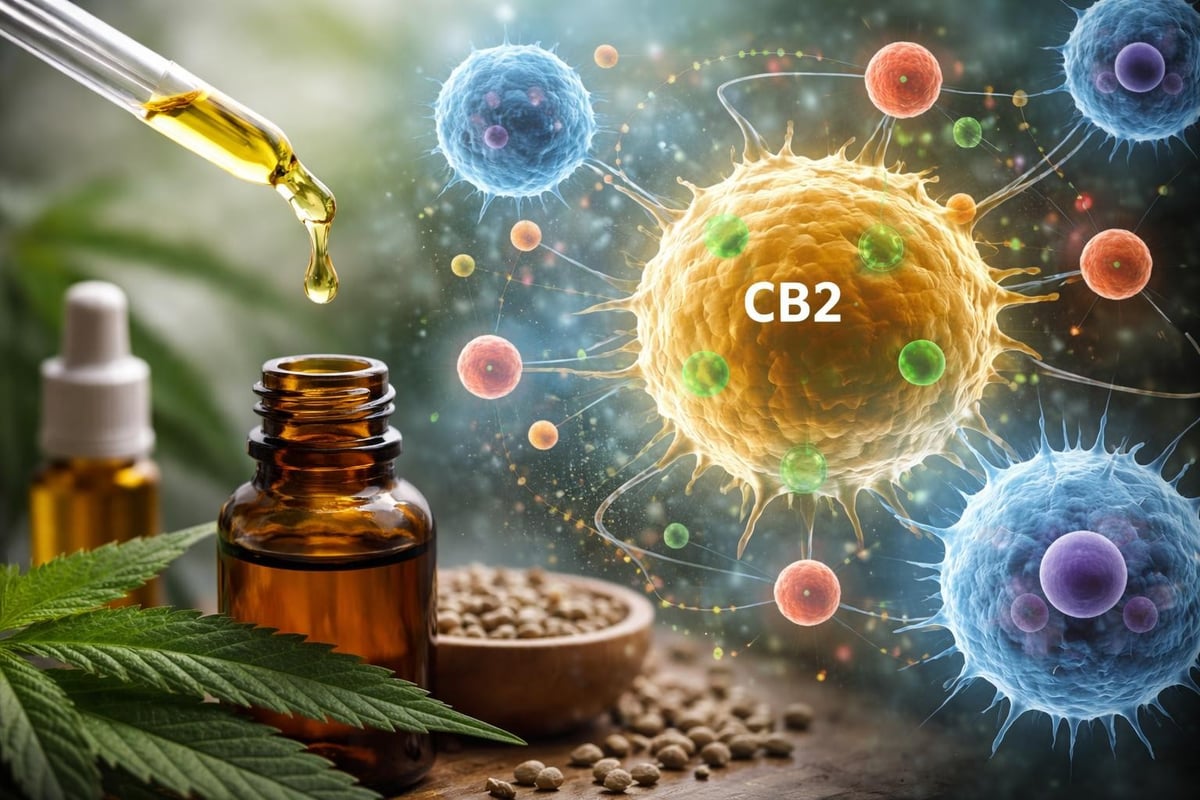
Cannabidiol (CBD) has emerged as a promising natural compound with significant anti-inflammatory properties. Unlike corticosteroids, which work by suppressing the entire immune response, CBD interacts with the endocannabinoid system to modulate inflammation more selectively.
Research demonstrates that CBD influences multiple pathways involved in inflammation. It interacts with CB2 receptors found primarily in immune cells, potentially reducing the production of pro-inflammatory cytokines. This mechanism differs fundamentally from corticosteroids, which act broadly on immune function.
How CBD Supports the Tapering Process
The concept of tapering off corticosteroids with CBD centers on using hemp-derived compounds to maintain anti-inflammatory effects while gradually reducing synthetic steroid dosages. CBD may offer several advantages during this transition:
Sustained Inflammation Control: By providing alternative anti-inflammatory support, CBD may help prevent symptom flares as corticosteroid doses decrease. This is particularly relevant for conditions like rheumatoid arthritis where anti-inflammatory medications play a central role in disease management.
Minimal Side Effect Profile: Unlike corticosteroids, CBD does not suppress adrenal function or cause the metabolic changes associated with long-term steroid use. This allows patients to incorporate CBD therapy without adding additional health risks.
Endocannabinoid System Support: CBD may help restore balance to the endocannabinoid system, which plays a role in immune regulation and inflammation modulation.
| Corticosteroids | CBD Hemp Oil |
|---|---|
| Suppresses entire immune response | Modulates specific inflammatory pathways |
| Causes adrenal suppression | No adrenal impact |
| Significant long-term side effects | Minimal side effect profile |
| Requires careful tapering | Can be discontinued without withdrawal |
| Synthetic pharmaceutical | Plant-derived natural compound |
Creating a Safe Tapering Protocol
Medical supervision remains essential when tapering off corticosteroids with CBD. Patients should never reduce corticosteroid dosages without consulting their healthcare provider, as individualized tapering schedules depend on multiple factors including original dosage, duration of therapy, and underlying condition severity.
Step-by-Step Tapering Approach
- Establish baseline symptom control: Ensure the inflammatory condition is well-managed before beginning any taper.
- Introduce CBD gradually: Start CBD therapy while still on full corticosteroid dose to assess tolerance and effectiveness.
- Monitor inflammation markers: Regular blood work can track inflammatory markers like C-reactive protein and erythrocyte sedimentation rate.
- Reduce corticosteroids incrementally: Following guidelines for tapering oral corticosteroids, decrease doses by small amounts every 1-2 weeks.
- Adjust CBD dosing as needed: Increase CBD dosage to compensate for reduced corticosteroid coverage if symptoms emerge.
- Test adrenal function: Healthcare providers may order cortisol level testing to ensure adequate adrenal recovery.
The timeline for tapering varies considerably. Some patients complete the process in several weeks, while others require months of gradual reduction. Patience and close monitoring are crucial components of success.
Optimizing CBD Selection and Dosing
Not all CBD products provide equivalent therapeutic benefits. For patients considering tapering off corticosteroids with CBD, product quality and formulation significantly impact outcomes.
Full-Spectrum vs. Broad-Spectrum CBD
Full-spectrum CBD contains all naturally occurring compounds from the hemp plant, including trace amounts of THC (below 0.3% in legal products). The "entourage effect" suggests that these compounds work synergistically to enhance anti-inflammatory benefits.
Broad-spectrum CBD includes multiple cannabinoids and terpenes but removes THC entirely. This option suits patients who must avoid any THC content due to employment requirements or personal preference.
Third-party laboratory testing verifies product purity and potency. Quality manufacturers provide certificates of analysis confirming cannabinoid content and absence of contaminants like heavy metals, pesticides, and residual solvents.
Determining Appropriate CBD Dosage
CBD dosing for inflammation management typically starts low and increases gradually. Common starting doses range from 20-40mg daily, divided into two doses. Some patients with severe inflammation may eventually require 100-200mg daily for optimal symptom control.
Several factors influence optimal dosing:
- Body weight: Larger individuals generally require higher doses
- Inflammation severity: More aggressive disease may need increased CBD amounts
- Individual metabolism: Some people metabolize CBD faster than others
- Product bioavailability: Different delivery methods affect absorption rates
Oil tinctures offer flexibility for precise dosing adjustments. Sublingual administration (holding oil under the tongue for 60-90 seconds) enhances absorption compared to swallowing immediately. For targeted joint pain, topical CBD applications can complement oral doses.
Managing Specific Conditions During Tapering
Different inflammatory conditions present unique challenges when tapering off corticosteroids with CBD. Understanding condition-specific considerations helps optimize the transition process.
Rheumatoid Arthritis
Rheumatoid arthritis patients often depend on corticosteroids for flare management. CBD hemp oil benefits for arthritis include reducing joint inflammation and providing pain relief without the side effects of long-term steroid use.
During tapering, rheumatoid arthritis patients should monitor joint swelling, morning stiffness duration, and pain levels. Any significant worsening may indicate the need for slower tapering or dosage adjustments.
Inflammatory Bowel Disease
Patients with Crohn's disease or ulcerative colitis face particular challenges with corticosteroid tapering. Resources for initiating and tapering corticosteroids in inflammatory bowel disease emphasize the importance of monitoring disease activity markers.
CBD's potential to reduce intestinal inflammation may support symptom management during steroid reduction, though patients should work closely with gastroenterologists throughout the process.
Fibromyalgia
While fibromyalgia is not primarily an inflammatory condition, some patients use corticosteroids for associated symptoms. The benefits of CBD oil for fibromyalgia extend beyond inflammation reduction to include pain modulation and improved sleep quality.
Monitoring Progress and Adjusting Strategies
Successful tapering requires systematic tracking and willingness to modify the approach based on patient response. Healthcare providers may use validated assessment tools to measure disease activity objectively.
Key Metrics to Track
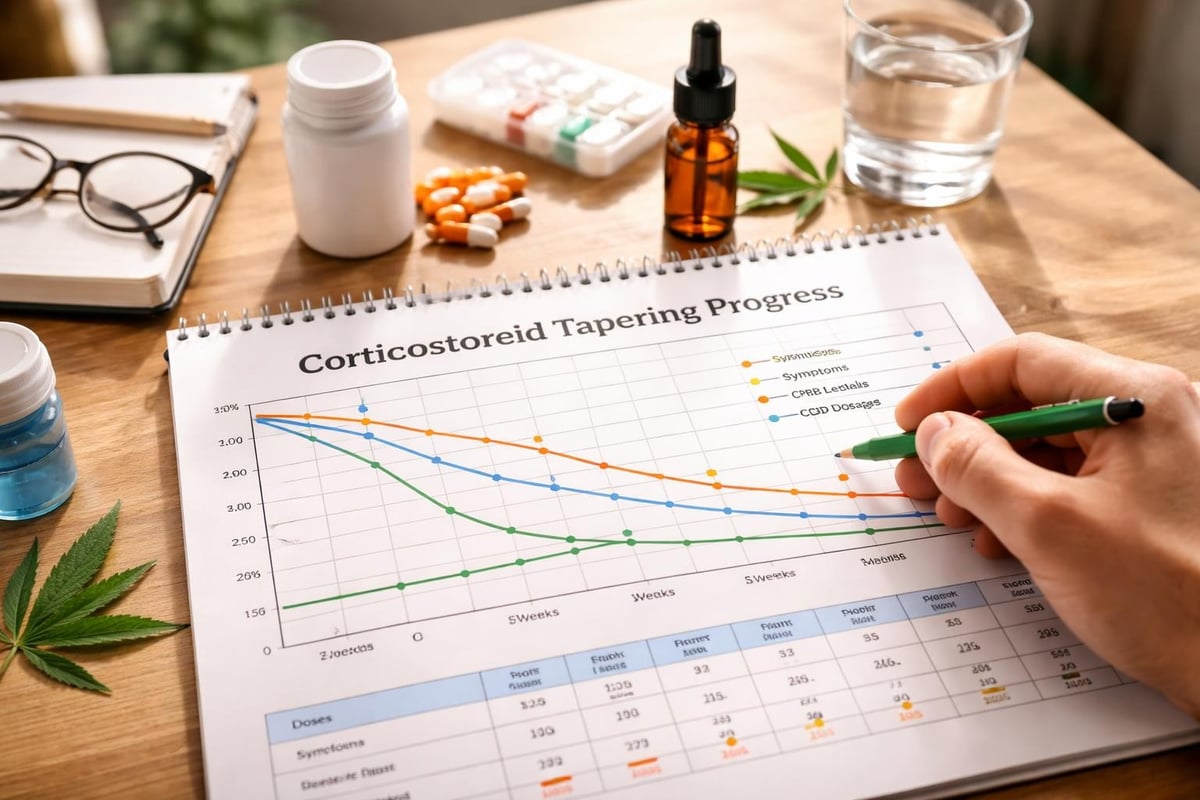
Patients should maintain detailed records including:
- Daily corticosteroid dose
- CBD dosage and timing
- Symptom severity ratings (pain, stiffness, fatigue)
- Any breakthrough symptoms or flares
- Side effects from either medication
- Overall quality of life assessments
This data helps identify patterns and guides dosing adjustments. For example, if symptoms consistently worsen 24 hours after each corticosteroid reduction, the tapering schedule may need modification.
When to Pause or Reverse the Taper
Some situations warrant temporarily halting or even reversing the tapering process:
- Significant disease flare with increased inflammation
- Symptoms that substantially impair daily function
- Evidence of adrenal insufficiency
- New stressors (surgery, infection, major life events)
Tapering is not a linear process. Temporary setbacks don't represent failure but rather the reality of managing complex inflammatory conditions. According to research on corticosteroid tapering regimens in rheumatic diseases, individualized approaches yield better outcomes than rigid protocols.
Complementary Strategies for Success
While tapering off corticosteroids with CBD forms the core strategy, additional interventions can support the transition and optimize long-term outcomes.
Lifestyle Modifications
Anti-inflammatory diet: Emphasizing omega-3 fatty acids, colorful vegetables, and reducing processed foods can naturally decrease inflammation. Foods rich in antioxidants support overall immune health.
Stress management: Chronic stress elevates cortisol levels and can worsen inflammation. Meditation, yoga, and deep breathing exercises help modulate the stress response.
Regular movement: Appropriate exercise reduces inflammation, improves joint function, and supports overall health. The type and intensity should match individual capabilities and condition severity.
Quality sleep: Poor sleep exacerbates inflammation and pain. CBD may help improve sleep quality, creating a positive cycle of better rest and reduced symptoms.
Additional Supplements
Some patients benefit from combining CBD with other natural anti-inflammatory compounds:
- Omega-3 fatty acids (fish oil or algae-based)
- Curcumin from turmeric
- Boswellia serrata extract
- Vitamin D (particularly important for bone health during corticosteroid tapering)
Always discuss supplement additions with healthcare providers to avoid potential interactions.
Addressing Common Concerns and Misconceptions
Patients considering tapering off corticosteroids with CBD often have questions about safety, efficacy, and practical implementation.
Will CBD Completely Replace Corticosteroids?
For some patients, CBD may provide sufficient anti-inflammatory control to eliminate corticosteroid use entirely. Others may achieve partial reduction while maintaining low-dose corticosteroids for optimal disease management. The goal is finding the minimum effective corticosteroid dose while maximizing natural anti-inflammatory support.
How Long Does Tapering Take?
Duration varies significantly based on original corticosteroid dose and duration of therapy. Patients on low doses (less than 10mg prednisone daily) for short periods may taper over several weeks. Those on higher doses for months or years may require 6-12 months or longer for safe discontinuation.
Expert consensus on tapering approaches emphasizes that slower tapers generally prove safer than aggressive reduction schedules.
Can I Taper Without Medical Supervision?
Attempting to taper corticosteroids without medical oversight carries serious risks. Adrenal crisis represents a life-threatening emergency that can result from improper tapering. Healthcare providers monitor for warning signs and can adjust protocols to ensure safety.
What If I Experience a Flare?
Disease flares during tapering are relatively common. When they occur, the response depends on severity. Minor symptom increases may resolve with temporary CBD dosage increases. Significant flares may require brief corticosteroid dose increases before resuming the taper.
Understanding pain relief options helps patients develop comprehensive strategies for managing breakthrough symptoms without always relying on corticosteroid dose increases.
The Role of Quality CBD Products
Product quality directly impacts outcomes when tapering off corticosteroids with CBD. Substandard products may contain insufficient CBD, contaminants, or misleading labeling that undermines therapeutic goals.
What to Look for in CBD Products
Premium CBD manufacturers distinguish themselves through several characteristics:
Third-party testing: Independent laboratories verify cannabinoid content and screen for contaminants. Reputable companies make certificates of analysis readily available.
Extraction methods: CO2 extraction produces pure, solvent-free CBD oil. Avoid products using potentially toxic extraction solvents.
Hemp source: Organically grown hemp from reputable farms reduces pesticide and heavy metal exposure.
Transparency: Companies should clearly disclose ingredients, sourcing, manufacturing processes, and testing results.
Customer support: Knowledgeable staff who can answer questions about dosing, product selection, and usage indicate company commitment to customer success.
For patients managing conditions like eczema-related inflammation, combining oral CBD with topical applications may provide comprehensive relief.
Medical Professional Collaboration
Healthcare providers play an essential role in safely tapering off corticosteroids with CBD. Open communication ensures coordinated care and optimal outcomes.
Questions to Discuss with Your Doctor
Prepare for appointments by compiling relevant information and questions:
- What tapering schedule do you recommend based on my specific situation?
- How will we monitor for adrenal insufficiency during the taper?
- What symptoms should prompt immediate medical attention?
- How do you feel about incorporating CBD into my treatment plan?
- What blood tests or other monitoring will track my progress?
- Under what circumstances should we pause or reverse the taper?
Some physicians have limited knowledge about CBD's therapeutic applications. Bringing peer-reviewed research and information about quality CBD products can facilitate productive discussions. However, never begin tapering without explicit medical approval and supervision.
Finding Supportive Healthcare Providers
Not all physicians embrace integrative approaches combining conventional and natural therapies. Patients struggling to find supportive care might consider:
- Functional medicine practitioners
- Integrative medicine specialists
- Rheumatologists with interest in complementary therapies
- Naturopathic doctors (in states where they are licensed)
The ideal provider combines conventional medical expertise with openness to evidence-based natural therapies.
Long-Term Outcomes and Maintenance
Successfully tapering off corticosteroids with CBD represents an important achievement, but maintaining results requires ongoing commitment to anti-inflammatory strategies.
Sustaining Inflammation Control
After completing the taper, many patients continue CBD therapy long-term to maintain symptom control. The dosage may decrease compared to levels needed during active tapering, as the body adjusts and inflammation stabilizes.
Regular follow-up with healthcare providers ensures early detection of any disease activity increases. Periodic inflammatory marker testing provides objective data about disease status.
Preventing Relapse
Several strategies help prevent the need to restart corticosteroids:
- Maintain consistent CBD dosing rather than stopping and starting
- Continue anti-inflammatory lifestyle practices
- Address new symptoms promptly before they escalate
- Manage stress effectively
- Get adequate sleep and exercise
- Follow medication regimens for any disease-modifying treatments
Some patients benefit from keeping a small supply of corticosteroids available for genuine emergencies, used only under medical direction.
Tapering off corticosteroids with CBD offers a promising pathway for patients seeking to reduce reliance on synthetic steroids while maintaining effective inflammation control. Success requires medical supervision, quality CBD products, patience, and commitment to comprehensive anti-inflammatory strategies. Reclaim Labs provides premium, third-party tested CBD hemp oil products specifically designed for managing chronic pain and inflammation, offering the quality and consistency essential for patients transitioning away from corticosteroid therapy. Their transparent approach and dedication to efficacy make them an ideal partner for individuals pursuing natural alternatives to long-term steroid use.